Pelican Coloring Pages: Fun Printables and Creative Ideas

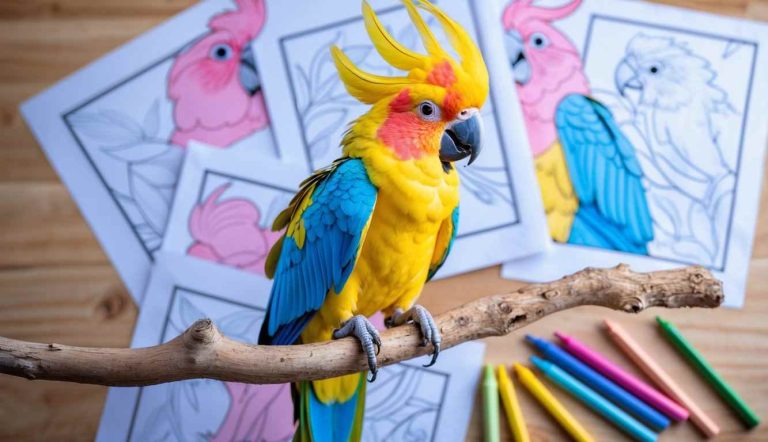
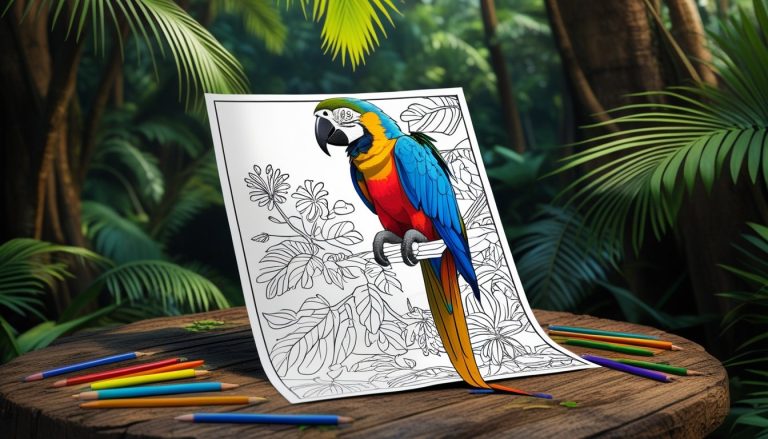
Pelican coloring pages are a fun activity for kids and adults who enjoy birds and nature. They let people learn about pelicans while relaxing and being creative with colors. These pages show pelicans catching fish, flying, and standing by the water, all ready to be colored in different styles.
Many pelican coloring sheets offer easy and detailed designs, so everyone can find something they like. They help boost focus, creativity, and motor skills. Coloring these big-beaked birds is also an easy way to talk about wildlife and spark curiosity.
Key Takeaways
- Pelican coloring pages combine learning and creativity.
- These pages are suitable for a range of ages and skill levels.
- Coloring pelicans can lead to fun and educational moments.
Overview of Pelican Coloring Pages

Pelican coloring pages offer a creative way for kids and adults to learn about these unique birds. The variety of designs, skill levels, and themes makes it easy to find something that matches different interests and abilities.
Types of Printable Designs
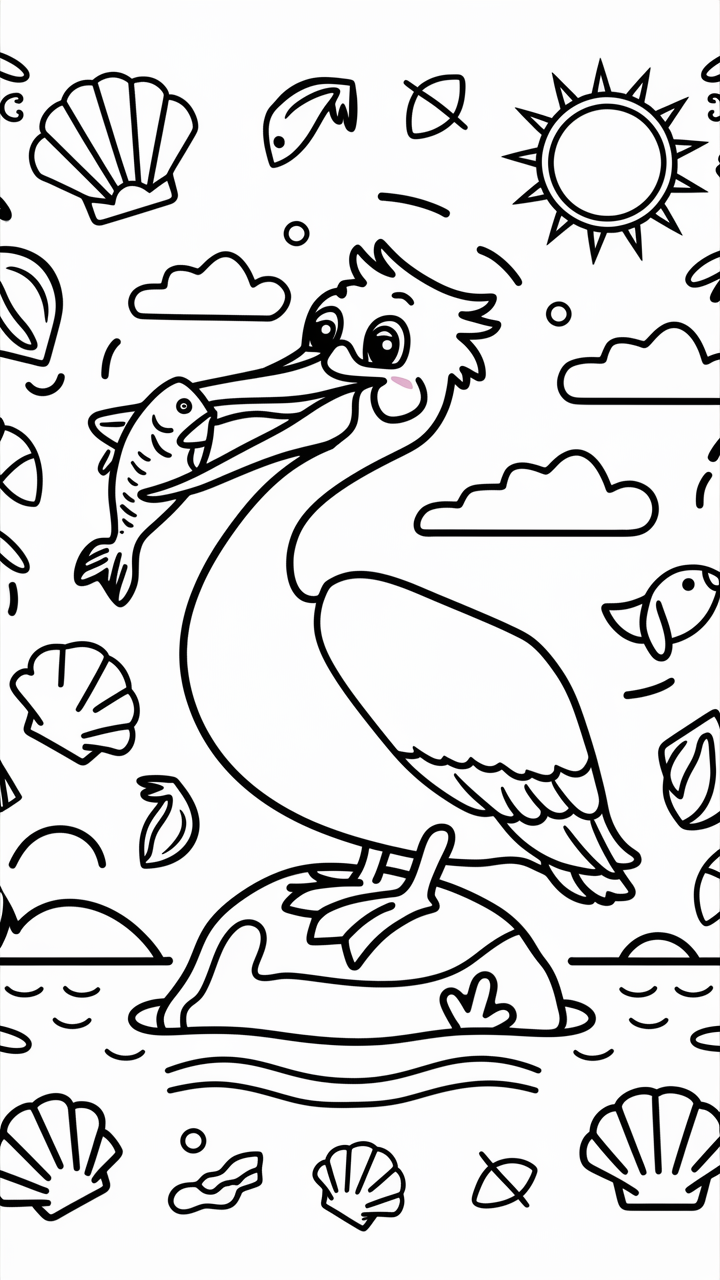
Pelican coloring pages come in many printable formats. Some pages feature simple outlines of pelicans standing by the water, while others show pelicans in action, such as diving for fish or flying with outstretched wings.
Designs may include single pelicans or a group called a “squadron.” A few pages add extra details, like reeds, rocks, or fish in the pelican’s beak. Some printable sheets focus on close-ups of the pelican’s head, highlighting its long beak and throat pouch.
Many websites provide free PDF coloring pages that are easy to download and print. These printables fit standard letter or A4 paper sizes.
A quick list of common printable designs:
- Solo pelican on a dock
- Pelican catching fish
- Flock of pelicans in flight
- Pelican close-up portrait
- Cartoon-style pelican for younger children
Difficulty Levels for All Ages

Pelican coloring pages suit many ages and skill levels. Young children can choose pages with thick lines and minimal detail, making it easy to color inside the lines. These pages often have bigger spaces and simpler shapes.
Older kids and adults may like more detailed illustrations. Some designs show realistic pelicans with feather patterns, textured water, or background scenery. These require more careful coloring and patience.
Table:
| Age/Skill Level | Typical Features |
|---|---|
| Preschool/Kindergarten | Bold lines, large shapes, basic scenes |
| Elementary | Moderate detail, simple backgrounds |
| Teens/Adults | Fine details, realistic settings |
Many printable pelican coloring sheets note the age range or difficulty. This helps parents and teachers pick the best options for their group.
Popular Themes and Settings
Popular themes in pelican coloring pages often show pelicans in their true habitats. Many printables feature beaches, lakes, or marshlands. Kids can color pelicans sitting by calm water or soaring above the ocean.
Some designs highlight pelican behaviors, such as catching fish with their beaks. Others add fun, creative elements, like cartoon fish, clouds, or boats in the background.
Settings may change to match various regions, including tropical coasts or quiet ponds. Coloring pages sometimes use story settings, such as a pelican’s adventure across the sea, to spark children’s imagination.
Creative themes can also include:
- Pelican families with chicks
- Sunbathing pelicans drying their wings
- Environmental scenes showing clean nature
These themes help kids learn not just about pelicans but also about habitats, geography, and water life.
Pelicans: The Stars of Coloring Pages

Pelicans are large water birds known for their giant beaks and wide throat pouches. They capture people’s interest because of their unique appearance, diverse species, and remarkable behaviors around water.
Unique Features of Pelicans
Pelicans can be recognized by their long, flat beaks and large, stretchy throat pouches. These pouches help them catch fish by scooping up water and prey, then draining the water before swallowing their food. The size and shape of the pelican’s beak make it stand out from other birds.
Other striking features include their broad wingspan and strong legs with webbed feet. Most pelicans have light-colored feathers, though some display gray or brown shades.
The following table highlights their key features:
| Feature | Description |
|---|---|
| Beak | Long, straight, hooked at the end |
| Throat pouch | Large, elastic, yellow or pink |
| Wingspan | Often 8-10 feet (very wide) |
| Webbed feet | Good for swimming |
| Plumage colors | Mostly white, gray, brown |
These features often show up in coloring pages, making the pelican an eye-catching subject.
Pelican Species in Art

There are eight main species of pelican. Each one has details that make them unique for coloring activities. For example, the American White Pelican has bright white feathers and a yellow-orange bill. The Brown Pelican, common along coasts, has dark brown and gray feathers.
Many coloring pages show these species in realistic or cartoon styles, allowing people to choose how detailed or simple they want their artwork. Some pages highlight just the head and beak, while others show whole flocks beside lakes or oceans.
Teachers and parents can use these images to introduce children to different pelican species. Color guides can show the difference between the Dalmatian Pelican’s curly feathers and the smaller Australian Pelican’s black and white pattern.
If your child enjoys marine animals or large birds, they might also enjoy eagle coloring pages or the vibrant macaw coloring pages.
Pelican Behaviors and Habitats
Pelicans are usually seen near water, such as lakes, rivers, and oceans. Coloring pages often show them gliding over water, catching fish with their throat pouches, or resting on docks and sandy beaches.
A common behavior is group fishing, where pelicans work together to herd fish. Some pages illustrate this teamwork by showing several birds in action.
The pelican’s ability to dive or swim while hunting is another scene often found in coloring activities. Their habitats can also include wetlands and estuaries, adding interesting backgrounds like reeds, rock formations, or distant boats.
These lifelike depictions make the coloring experience both fun and educational, letting users learn about the pelican’s world as they color.
For younger audiences, we also recommend our cute coloring pages for kids or preschool coloring pages for beginner-level fun.
Creative Ways to Use Pelican Coloring Pages
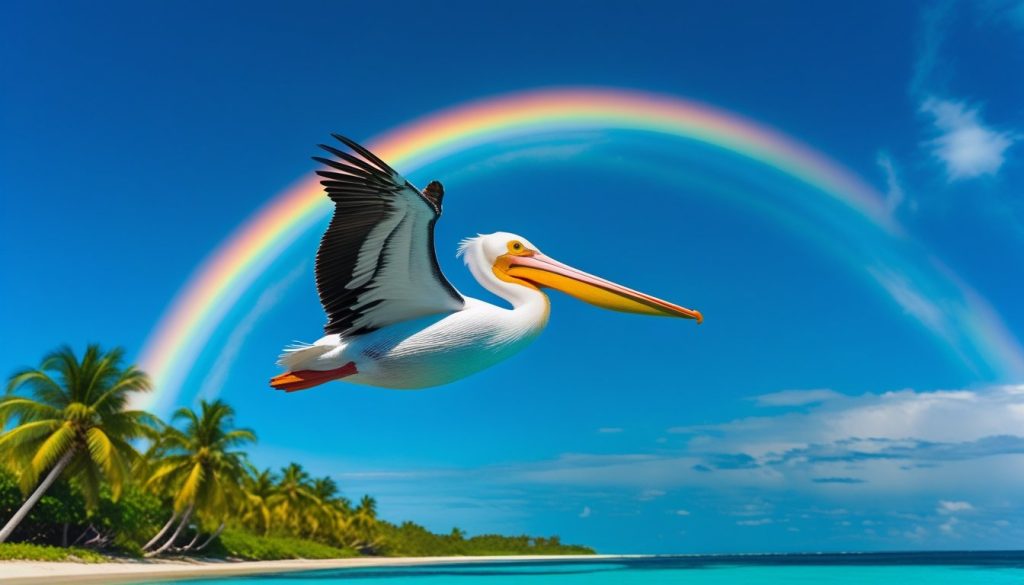
Pelican coloring pages are more than a simple activity; they offer rich educational, creative, and display opportunities. Using coloring pages can help children grow their skills, express themselves, and share what they learn with others.
Home and Classroom Activities
Pelican coloring pages make a great addition to lesson plans and rainy day projects. Teachers and parents can use them to talk about pelicans, including their habitats, feeding habits, and unique physical features.
For hands-on learning, kids can make a pelican habitat display after coloring. Materials like blue tissue for water, cotton balls for clouds, and green paper for plants can be added to a background. Older children can label parts of the pelican’s body, such as the beak and wings, to reinforce vocabulary.
Another engaging idea is to create a simple pelican feeding game. By cutting out paper fish and using a clothespin “beak,” kids can pretend to scoop fish, mirroring how pelicans eat. These playful approaches make coloring pages more interactive and memorable. You can also explore coloring pages for kids or coloring pages for boys to match your child’s interests.
Storytelling and Art Display
After finishing a pelican coloring page, children can use their colored pages as characters for storytelling. They can write a short story about a pelican’s day, its adventure by the sea, or a journey across the water. For extra creativity, kids can turn several coloring pages into a comic strip.
Displaying pelican artwork builds confidence and adds color to classrooms, homes, and community boards. Parents and teachers may frame standout pieces or put together a class mural using many children’s finished pages.
Gallery walks, where students walk around and view each other’s pelican coloring, can spark discussion about art choices and pelican facts learned. This helps children share their effort and knowledge with others in a friendly, supportive way. Looking for more options? Browse our full coloring pages collection for more free printables.
Tips for Coloring Pelicans Realistically

To make pelican coloring pages look more true-to-life, it is helpful to pay attention to actual pelican features and natural settings. Focusing on color choice, unique body parts, and realistic scenes can help each drawing stand out.
Choosing the Right Colors
Pelicans are mostly white or light gray, but their details matter. Many species, like the American White Pelican, have a white body with faint pink shading. Their wings and back often show gray or black feathers. The head may have yellow tones, while the bill is large and can be pink, reddish-orange, or yellow.
A table helps show common color areas:
| Body Part | Typical Colors |
|---|---|
| Body | White, pale pink |
| Wings/Back | Gray, black |
| Head | Yellow, white |
| Bill | Pink, orange, yellow |
| Feet | Orange, pink, black |
Using colored pencils, blend shades on the wings and back for a textured, feathered look. Keep the bill and legs bright to highlight these features, but avoid very dark colors unless coloring a Brown Pelican.
Highlighting the Throat Pouch
The pelican’s throat pouch is one of its main features. This stretchy pouch hangs from the lower half of the bill and is used to catch and hold fish. The pouch is usually pinkish, yellow, or even a light orange, depending on the species.
To show its texture, shade the pouch lightly where it stretches or folds. Draw thin, curved lines to suggest small wrinkles or creases. When the pouch is full, color it a bit darker along the edges and lighter in the middle to show its round shape.
Remember, the throat pouch is often best depicted with a slight sheen, so use a white pencil or eraser to add gentle highlights. This creates a more lifelike appearance.
Adding Backgrounds and Context
Placing the pelican in a natural setting makes the coloring page feel real. Possible backgrounds include lakes, oceans, sandy beaches, or wooden docks. Add calm blue or green water below the pelican and hints of waves or ripples using smooth, curving lines.
Include details like fish swimming nearby, reeds on the shore, or even other large water birds. Use pale greens, tans, and soft grays to fill these areas, letting the pelican remain the main focus. In the sky, soft yellows or light blues can show a sunny day.
Showing the pelican in action, such as diving or landing, gives energy and life to the coloring page. Short strokes and layered shades can help capture movement in water or wings. Avoid cluttering the scene; leave open space to highlight the unique features of the pelican.
Educational Benefits of Pelican Coloring

Pelican coloring pages can help children and students learn about large water birds while practicing useful skills. These printable sheets offer chances to study bird anatomy, use creativity, and build hand control. For more nature-based learning, check out our animal coloring pages collection or cute animal coloring pages.
Learning About Bird Anatomy
Pelican coloring pages let children explore the unique features of this large water bird. By filling in the outlines, learners notice the pelican’s long beak with its pouch, webbed feet, and broad wings. These parts have important uses, such as the pouch helping pelicans scoop and carry fish.
Using a coloring page can encourage students to look closer at shapes and sizes. For example, children might compare the pelican’s wingspan to other birds or see how the beak moves. Some coloring sheets may even label the parts, which helps with vocabulary and science knowledge.
Parents and teachers can use coloring pages as a visual aid. As children color, adults can talk with them about how pelicans live near water, what they eat, and how they fly. Coloring is more than an art activity—it supports early science learning, especially about birds found along the coast, rivers, and lakes.
Creative Expression and Motor Skills
Pelican coloring pages help children practice fine motor skills. Holding crayons or colored pencils builds hand strength and control. As children stay inside the lines, they develop focus and careful movement.
Creative choices also matter. Kids can pick realistic or fun colors for their pelican. This choice inspires creativity and personal style. Some may use shades of brown, gray, or white to match real pelicans, while others add bright or imaginative backgrounds.
Step-by-step, coloring helps both younger and older children. Pre-K students learn how to grip coloring tools, while older kids can add details like feathers, water, clouds, or fish. With practice, these skills can aid with other tasks like writing or crafts.
A table of benefits:
| Skill | How Coloring Helps |
|---|---|
| Motor Skills | Steady coloring improves hand control |
| Focus and Patience | Completing a page builds concentration |
| Creativity | Choosing colors grows artistic thinking |
Frequently Asked Questions
Pelican coloring pages are easy for parents, teachers, and kids to find and use. Many sources on the internet offer free printable options, including simple and detailed designs.
Where can I find printable pelican coloring pages for children?
Printable pelican coloring pages are available on educational websites, printable coloring sites, and some government or wildlife agency pages. These resources often have pages designed for kids of different ages and skill levels. Most sites allow users to preview the images before printing.
Are there any free pelican coloring pages available online?
Yes, free pelican coloring pages can be found on many websites. Examples include Coloring Jungle, Wildlife Animals, and WakeTheKids. These sites offer several printable options that do not require payment or a subscription.
How can I download pelican coloring pages in PDF format?
Most coloring websites add a clear “Download” or “Print” button near each pelican page. Clicking the button usually opens a PDF that is ready to save or print. Often, these downloads fit standard letter or A4 paper sizes.
What are some simple pelican coloring pages for beginners?
Simple pelican coloring pages often use large, basic outlines and little detail. These are good for young children or anyone wanting an easy coloring activity. Websites like Pixie Painter and ColoringMaker often have beginner-friendly options with clear lines and open spaces.
Photo Gallery



Final Thoughts

Pelican coloring pages offer a simple way for people of all ages to learn about these unique birds. By coloring, they can observe details like the pelican’s large beak, long wings, and webbed feet.
These printable sheets are flexible. They fit many settings—from classrooms to homes. Parents and teachers often use them to teach kids about coastal ecosystems and bird life.
Some pelican coloring pages show realistic birds standing by the water, while others include playful cartoons or pelicans flying above the ocean. This variety lets each person pick a style they enjoy.
Tips for getting the most out of pelican coloring pages:
- Choose bright or natural colors such as white, gray, or yellow.
- Use crayons, markers, or colored pencils.
- Try coloring as a group activity for extra fun.
Pelican coloring pages can also spark curiosity about how these birds live and feed. Children may ask questions or start looking for pelicans the next time they visit a lake or the coast.
Many coloring pages are free to download and easy to print at home. This makes them a convenient choice for quick crafts, nature lessons, or rainy day activities. You can also browse more seasonal options like summer coloring pages or holiday-themed ideas like Labor Day coloring pages.