How to Paint on Glass: A Beginner-Friendly Guide
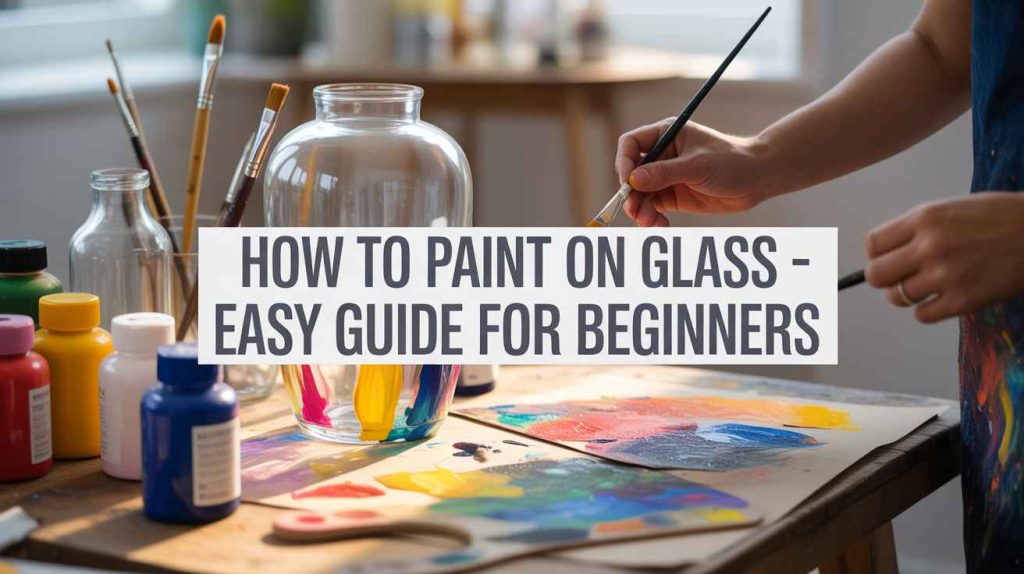
Okay, let’s be real—painting on glass sounds amazing but also kinda intimidating, right? I mean, one slip and you’ve got streaks, blotches, or worse—a weird cloudy mess that looks nothing like the Pinterest project you had in mind. Been there, done that.
When I first tried painting on glass (yep, it was a wine bottle project that went south real fast), I thought I was doomed. But guess what? After some trial and error, I figured out not only how to paint on glass permanently, but also how to avoid streaks, seal my designs, and make them actually look professional.
If you’ve ever wondered things like “Can I use acrylic paint on glass?”, “Do I need to seal it?”, or “How do I make my vase look like those fancy hand-painted ones?”, then you’re in the right place. Grab a brush (or at least imagine one in your hand right now) because we’re about to dive deep into the colorful world of glass painting—friendly advice, pro tips, and all the little hacks I wish I knew earlier.
And if you love artsy hobbies, don’t forget to check out our easy drawing ideas and printable coloring pages for extra creative fun.
Key Takeaways (Before We Dive In)
- Acrylic paints are the most popular for painting on glass—but you’ll need to seal them for permanence.
- Prepping your glass (cleaning, degreasing) is just as important as the painting itself.
- Different glass surfaces (bottles, jars, vases, plates, windows, etc.) need slightly different techniques.
- Want to avoid streaks? Thin layers + patience are your BFFs.
- Baking or sealing your glass art = the secret to making it last.
👉 Love relaxing crafts? You might also enjoy our mandala coloring pages for adults.
Table: Acrylic Paint vs Enamel Paint for Glass
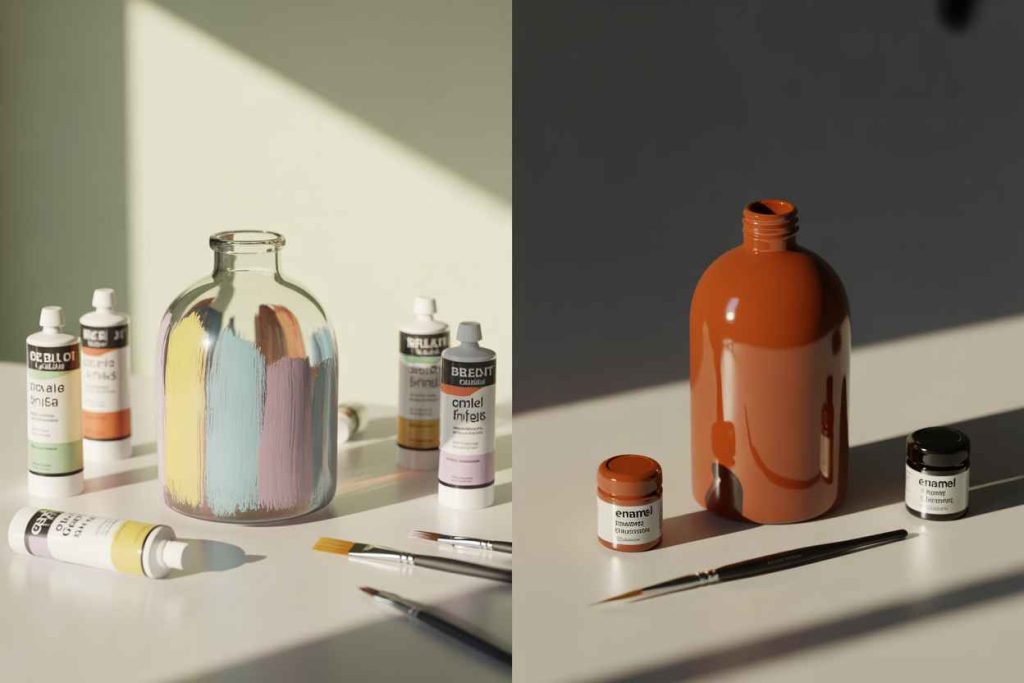
| Feature | Acrylic Paint | Enamel Paint |
|---|---|---|
| Ease of Use | Beginner-friendly, easy to find | Trickier to handle, needs practice |
| Durability | Needs sealing or baking | More permanent, especially oil-based |
| Finish | Matte or glossy, wide color range | Glossy and shiny |
| Cost | Budget-friendly | Slightly more expensive |
| Best For | Beginners, casual projects | Long-lasting decorative items |
Quick Color Guide for Glass Painting
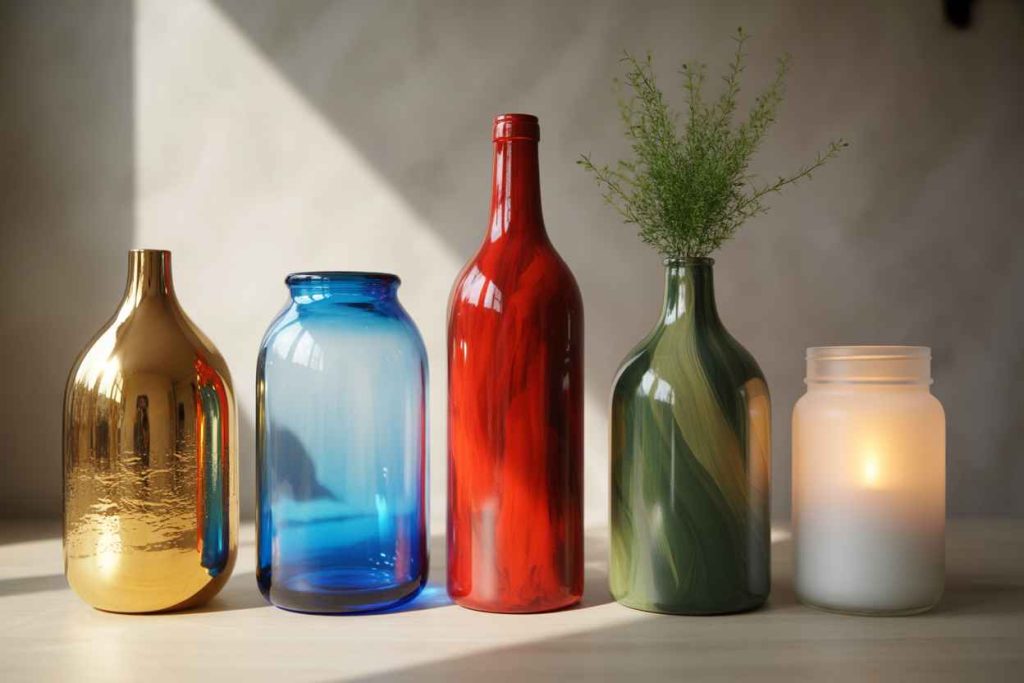
| Color | Mood/Effect on Glass | Best For | Preview |
|---|---|---|---|
| Gold | Elegant, regal | Vases, decorative jugs | 🟨 |
| Blue | Calm, refreshing | Windows, jars | 🟦 |
| Red | Bold, festive | Plates, bottles | 🟥 |
| Green | Natural, soothing | Plant vases, garden jars | 🟩 |
| White | Clean, frosted look | Mason jars, candle holders | ⬜ |
For more color-inspiration, peek at our seasonal collections like fall coloring pages or cheerful summer coloring sheets.
Step 1: Prepping Your Glass Surface
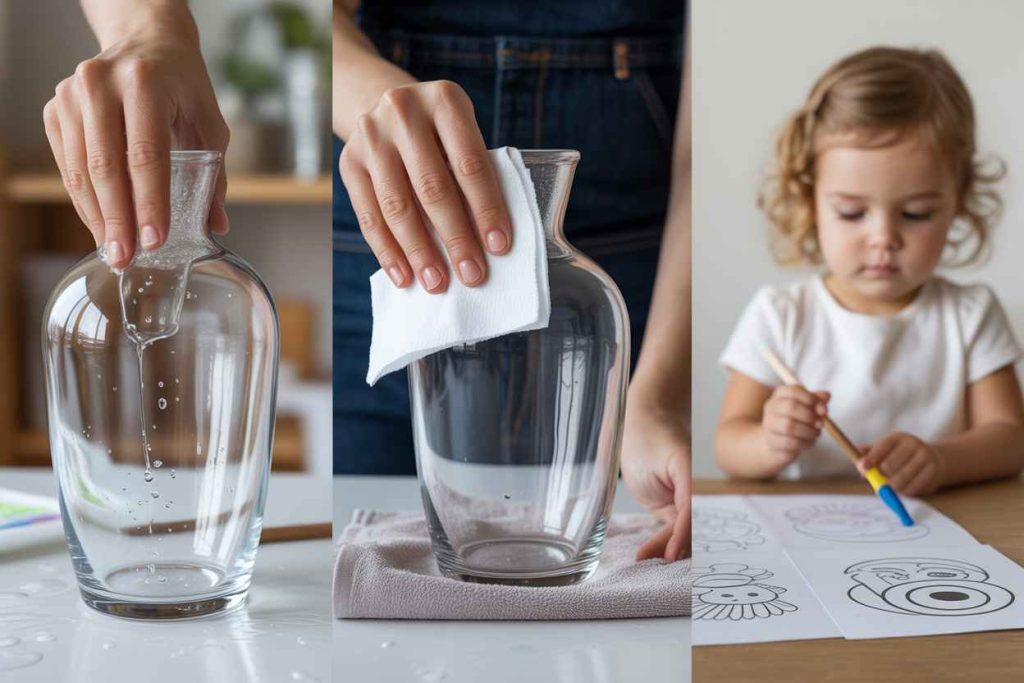
Let’s start with the foundation. If your glass isn’t prepped, your paint will just slide around or peel off later. And we don’t want that mess.
How to Prep Properly
- Wash with warm soapy water. Get rid of grease and dust.
- Wipe down with rubbing alcohol. This removes oils and fingerprints.
- Dry completely. No shortcuts here—moisture = streaks.
👉 Pro Tip: Avoid touching the area you’re going to paint with your bare hands after cleaning. The oils from your fingers can sabotage your masterpiece.
If you’ve got kids around who want to “help,” give them their own project with easy coloring pages for kids while you focus on your glass painting.
Step 2: Choosing the Right Paint
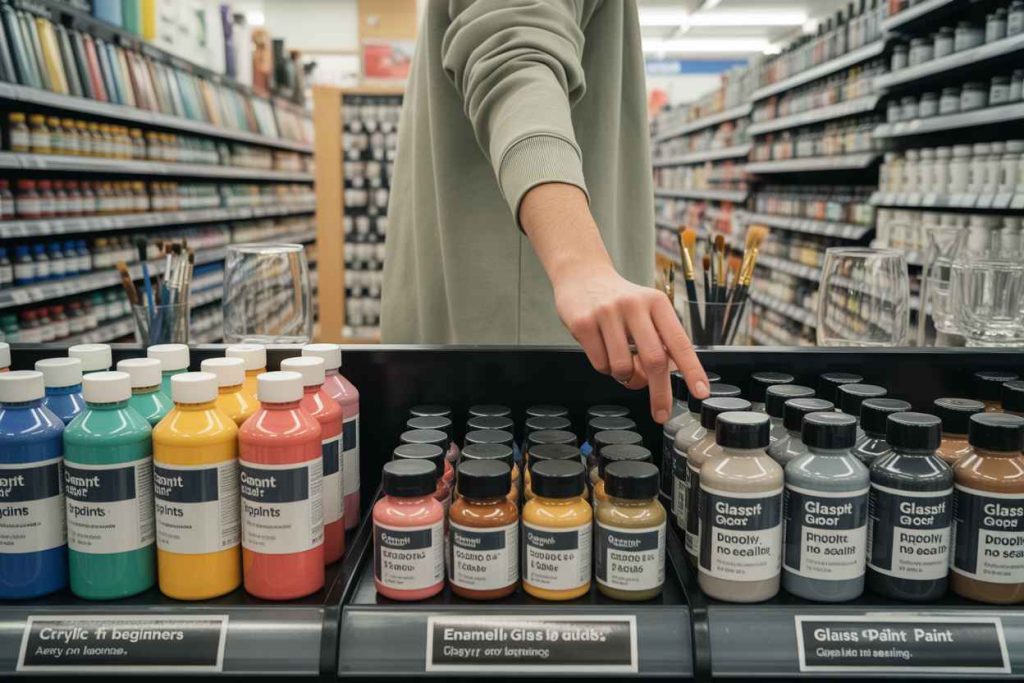
Now, onto the fun part—paint shopping. So, which one should you actually pick?
Acrylic Paint on Glass
- Easy to use (especially for beginners).
- Works well on bottles, jars, and plates.
- Needs to be sealed or baked to become permanent.
Enamel Paint on Glass
- A bit harder to master but sticks better.
- Super glossy and durable.
- Perfect for decorative vases, jugs, or plates.
Specialty Glass Paints
Yes, these exist! They’re made specifically for glass and often don’t even need sealing. If you’re serious about this hobby, they’re worth a try.
👉 Related craft idea: Try our easy frog painting tutorial if you want to practice before jumping on glass.
Step 3: Tools You’ll Need
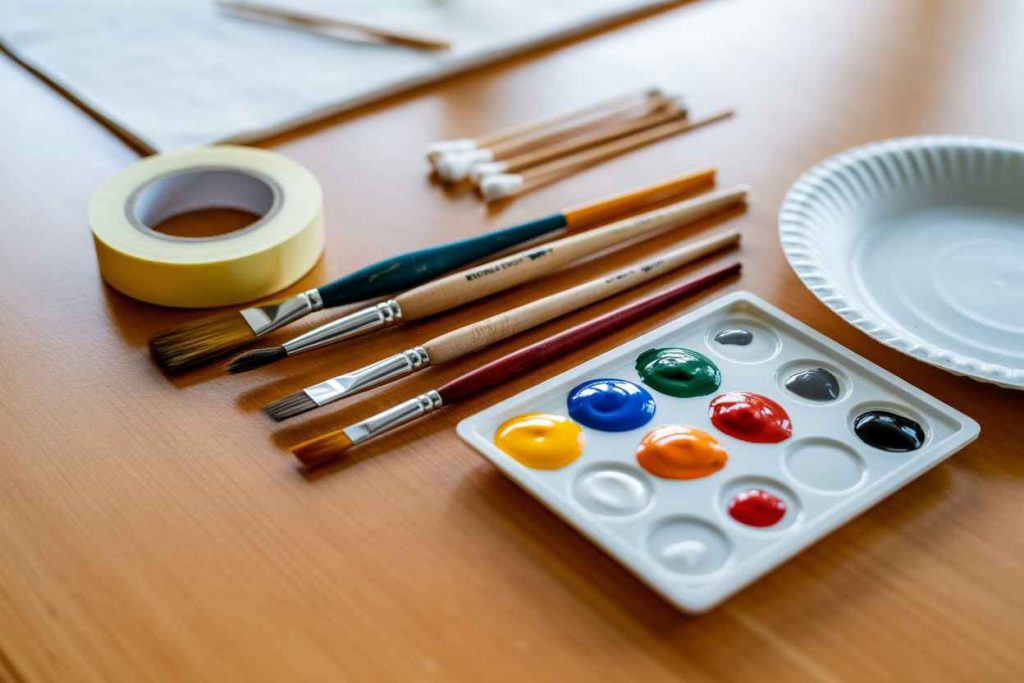
Before you dip that brush, make sure you’ve got the essentials lined up:
- Fine-tipped brushes (for details).
- Flat brushes (for larger areas).
- Palette or disposable plate for mixing.
- Masking tape (to create sharp edges).
- Cotton swabs (to fix mistakes quickly).
Step 4: Techniques for Painting Different Glass Surfaces
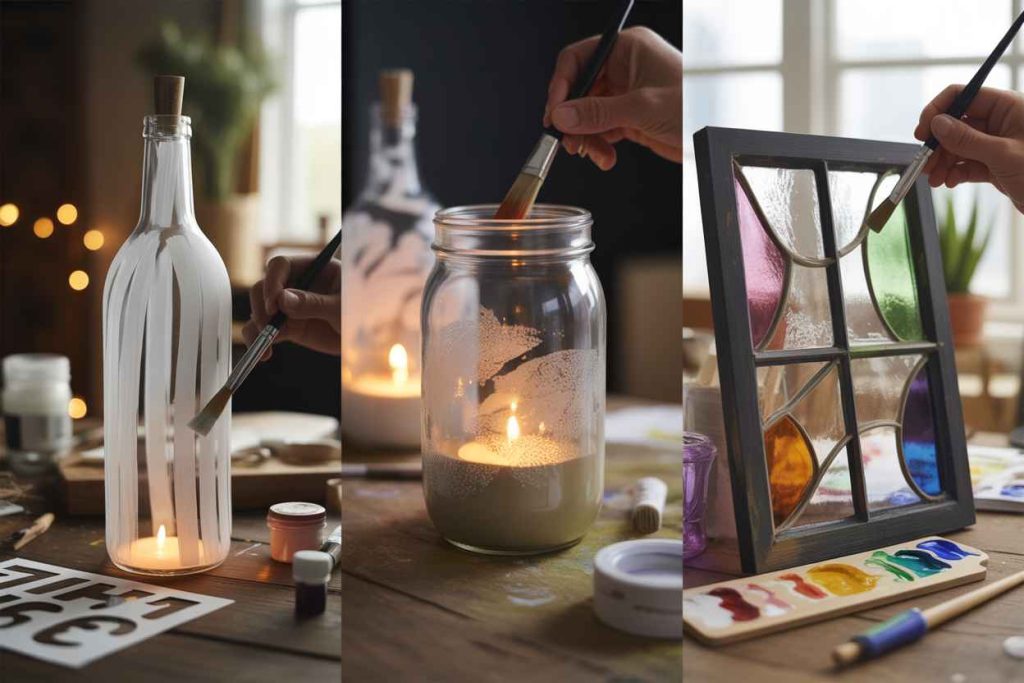
How to Paint on Glass Bottles
Ever seen those chic upcycled wine bottles turned into fairy lights? That could be you.
- Go for vertical strokes to match the bottle shape.
- Use stencils for lettering or patterns.
Decorating bottles is as fun as designing with holiday coloring pages—both instantly transform plain objects into festive decor.
How to Paint on Glass Jars
Think mason jars for candles or gifts.
- Matte paint works beautifully here.
- Try frosted effects using sponging techniques.
Pair this DIY with a cozy coloring session using cute animal coloring pages—it’s the perfect weekend project.
How to Paint on Glass Windows
Yes, you can!
- Stick with transparent glass paints for that stained-glass vibe.
- Outlining with black paint pens can make your design pop.
If you love designing windows, you’ll probably also enjoy nature coloring pages for inspiration.
Step 5: Avoiding Streaks
This is probably the #1 complaint I hear from beginners: “Why does it look streaky?”
- Thin, even layers are key. Don’t glob on paint.
- Let each coat dry fully before applying the next.
- A soft-bristled brush helps reduce streaks.
👉 FYI: If you’re struggling, switch to sponge-dabbing instead of brushing—it gives a smooth texture.
Step 6: Making It Permanent
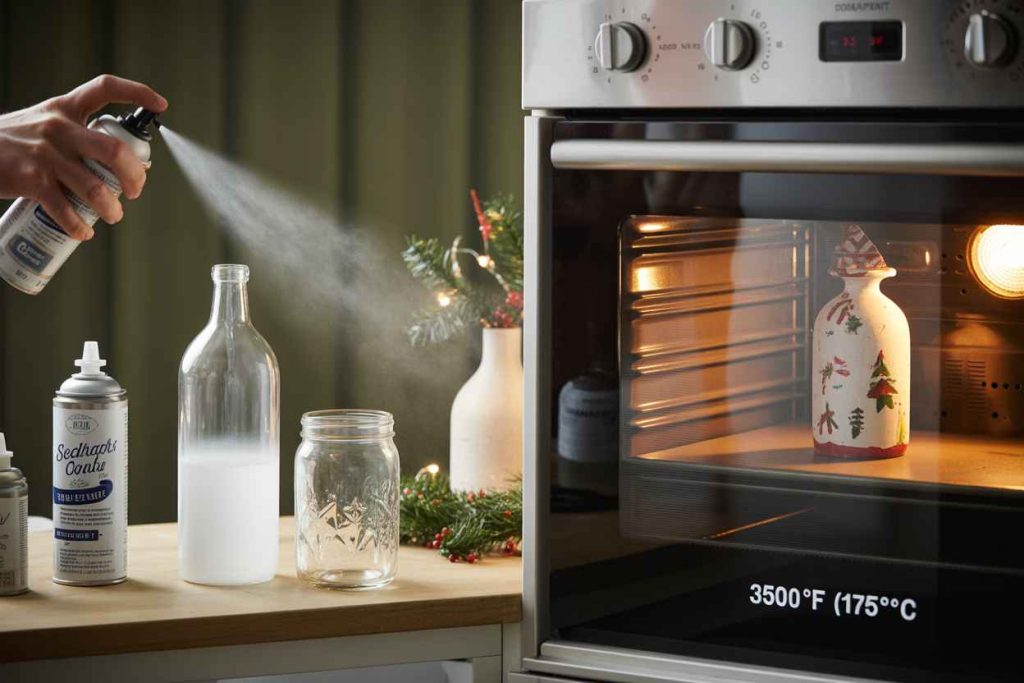
You’ve painted your masterpiece—now let’s make sure it stays there.
Two Main Ways
- Sealing with a clear sealant spray.
- Works for jars, bottles, and decorative items.
- Look for waterproof sealants.
- Baking your glass in the oven.
- Place the glass in a cool oven.
- Heat to 350°F (175°C) and bake for 30 minutes.
- Let it cool inside the oven.
- This method helps with how to paint on glass permanently.
Pro tip: If you’re working on seasonal pieces, like a painted Christmas vase, you can complement it with festive Christmas coloring pages for adults.
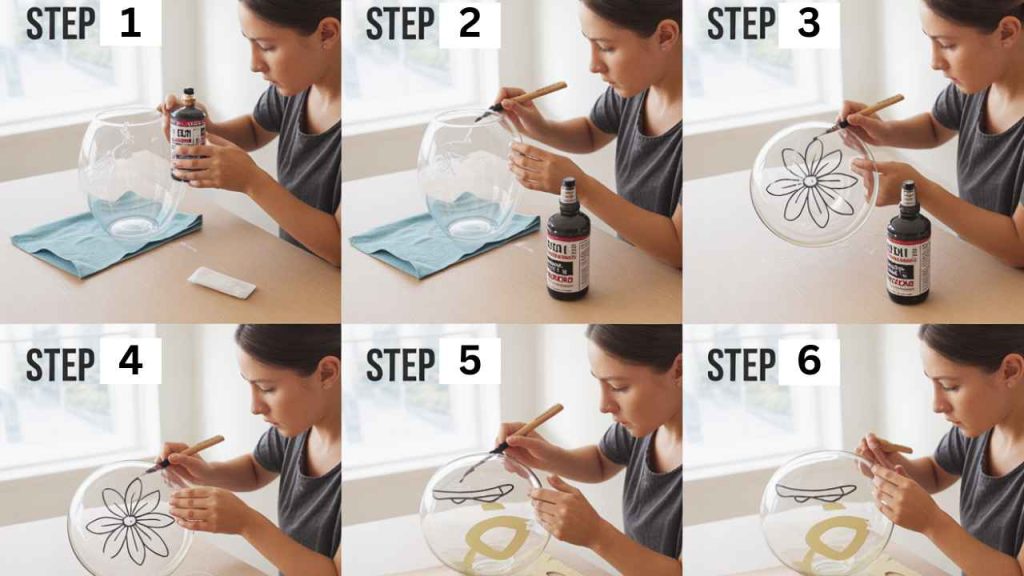
How To Paint on Glass Simply
FAQs About Painting on Glass
1. Can I use acrylic paint directly on glass?
Yes! But it won’t be permanent unless you seal or bake it.
2. Do I need primer for glass painting?
Not necessarily, but primer helps paint stick better if you’re using standard acrylics.
3. Is painting on glass dishwasher-safe?
Only if you bake it and use dishwasher-safe paint. Otherwise, always handwash.
4. How do I fix mistakes while painting?
Use a cotton swab dipped in rubbing alcohol—it wipes off fresh paint like magic.
👉 Kids smudging your project? Keep them busy with free printable coloring pages instead.
5. Can I layer different colors?
Totally! Just wait for the first layer to dry completely to avoid smudging.
6. Which glass item is best for beginners?
Mason jars or bottles. They’re cheap, easy to hold, and not too slippery.
7. Can I make a stained-glass look with acrylics?
Yep—dilute acrylic paint slightly and outline designs with black paint pens for that classic effect. For ideas, browse our stained-glass-style mandala coloring sheets.
Final Thoughts
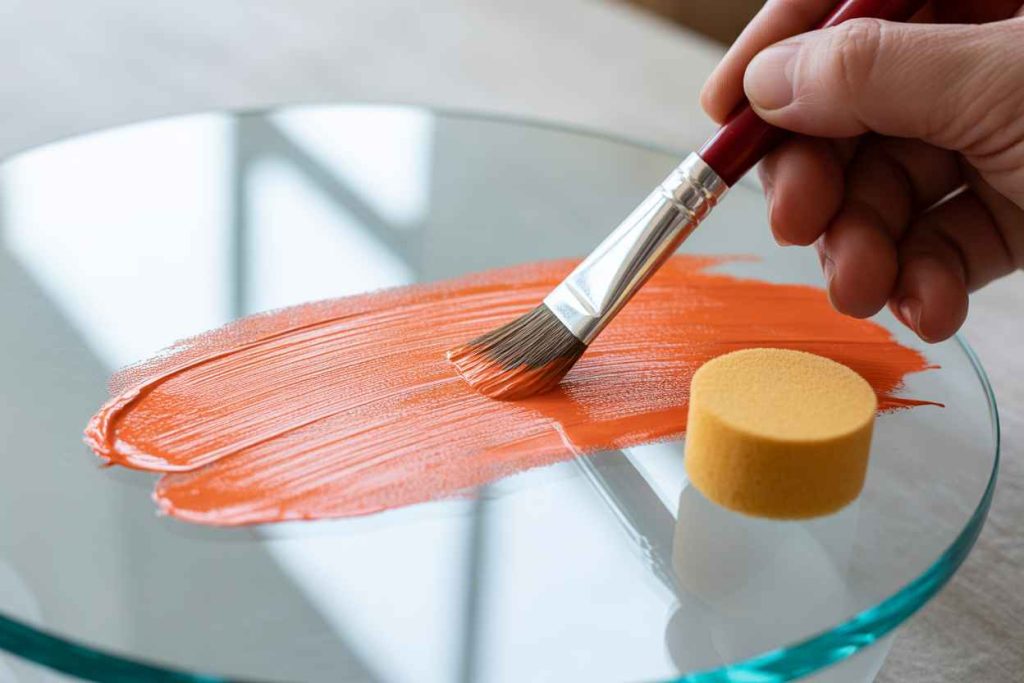
Painting on glass is honestly one of the most rewarding DIY hobbies. Whether you’re figuring out how to paint on glass jars for gifts, trying to nail that no-streak finish, or even experimenting with glass windows, the possibilities are endless.
Sure, there’ll be mistakes (I’ve had my share of streaky disasters and melted-sealant moments), but that’s part of the fun. The beauty of glass is that it’s forgiving—wipe it down, start fresh, and you’re back in the game.
So next time you look at that empty wine bottle, dusty vase, or plain mason jar sitting on your shelf, ask yourself: “Why not turn this into art?” Who knows, your hand-painted glass might just become the next conversation starter at your home.
And when you’re done, why not unwind with some relaxing coloring pages for adults or get festive with Halloween coloring pages?