Moose Coloring Pages 🦌 | Free Rutting & Forest Printables 2025
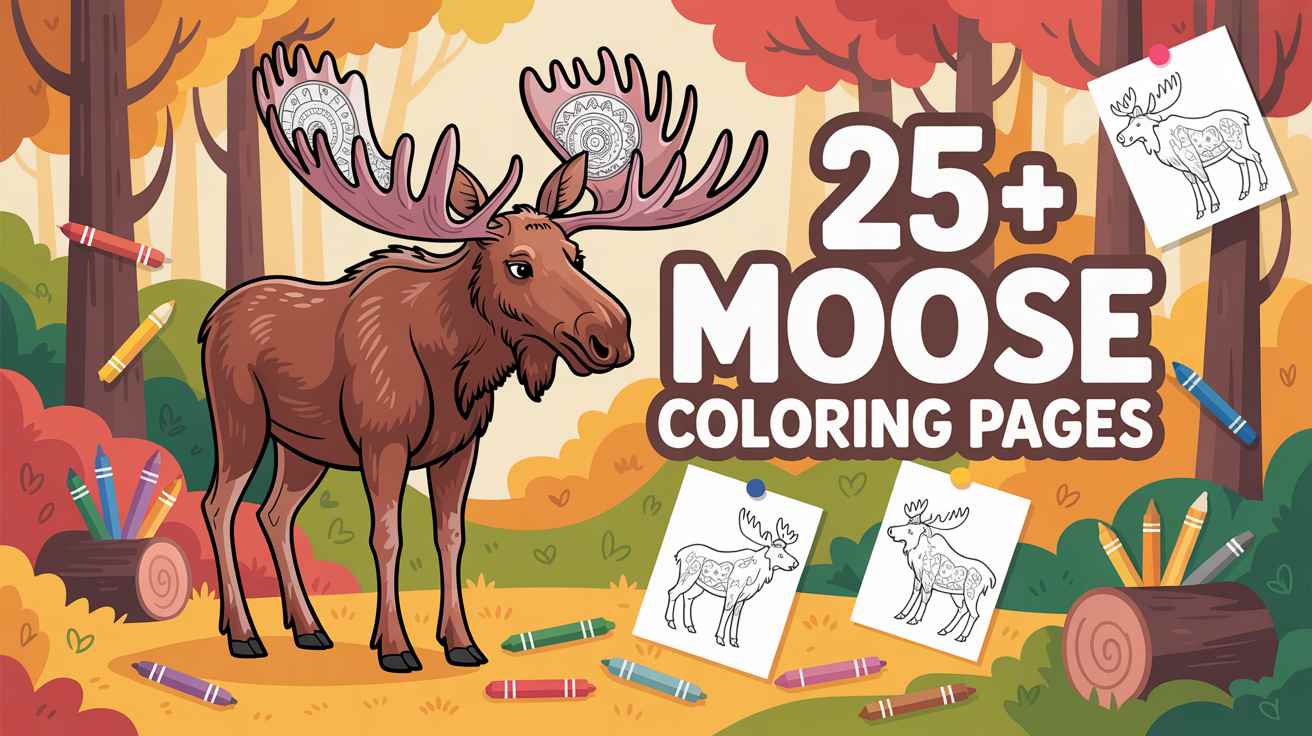
If you’re searching for moose coloring pages rutting 🦌, you’re in for a treat. These free printables capture the calm beauty of forest scenes along with the excitement of rutting season — when moose display their incredible strength and majesty. 🎨 Perfect for kids who love animals or adults seeking a relaxing, nature-inspired activity, these pages are designed to spark creativity while celebrating one of North America’s most iconic creatures.
Many resources provide free printable moose coloring pages, often with scenes showing moose in forests or playful settings. These can be used not just for coloring but also for crafts like bookmarks, puppets, or cards. The variety and accessibility of these pages make them a popular option for both kids and adults looking for a calm, creative activity.
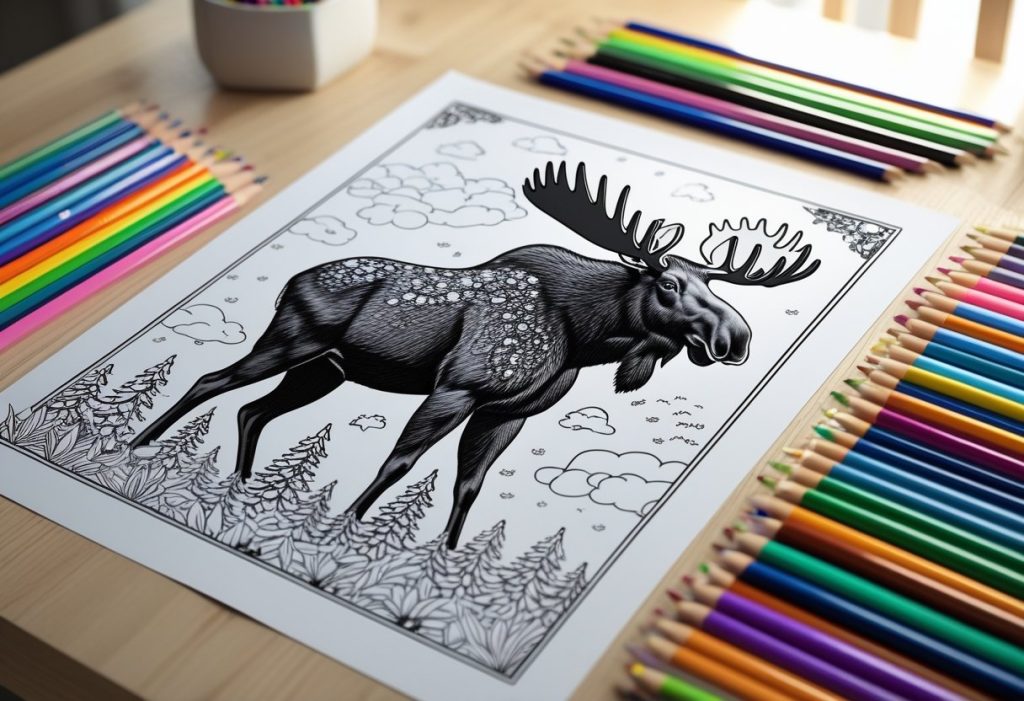
Beyond simply coloring, these pages can inspire curiosity about moose habits and habitats, adding an educational layer to the fun. Whether for a quiet afternoon or an art project, moose coloring pages offer an easy way to enjoy time with art while connecting with wildlife themes.
Key Takeways
- Moose coloring pages fit all skill levels and interests.
- They can be used for crafts and creative projects.
- Coloring moose designs can teach about animal life.
Moose Coloring Pages Overview
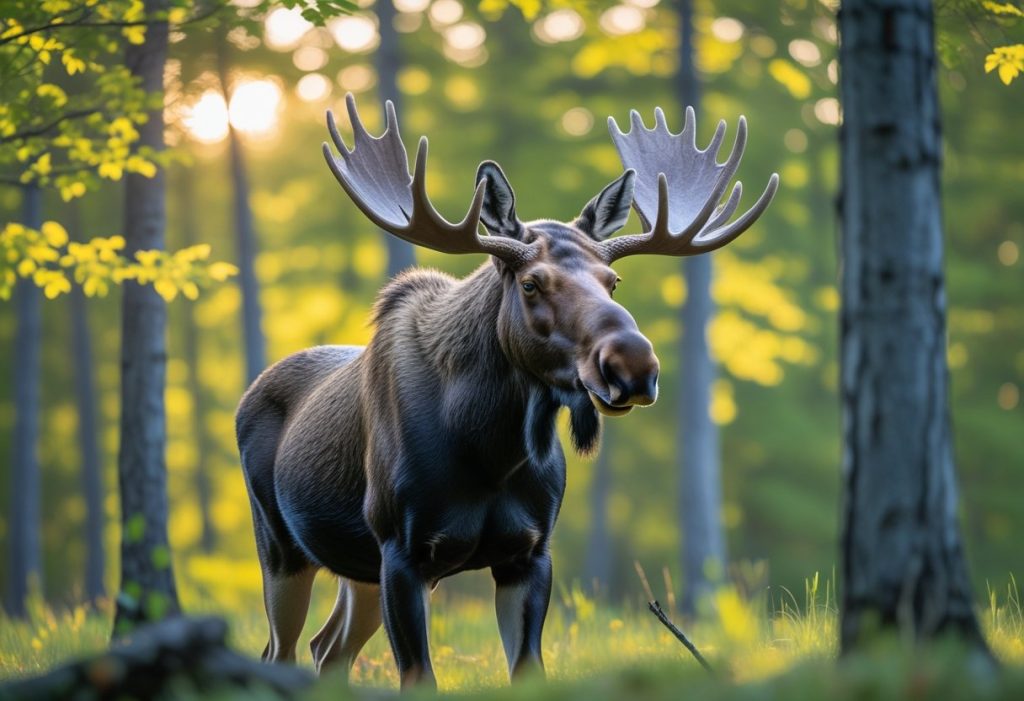
Moose coloring pages provide detailed images of these large forest animals, offering an engaging way to learn about their features. These pages often include various poses and settings, allowing for creative coloring and artistic expression. Many options are available as free downloads, making them easily accessible for educators, parents, and children alike.
What Are Moose Coloring Pages?
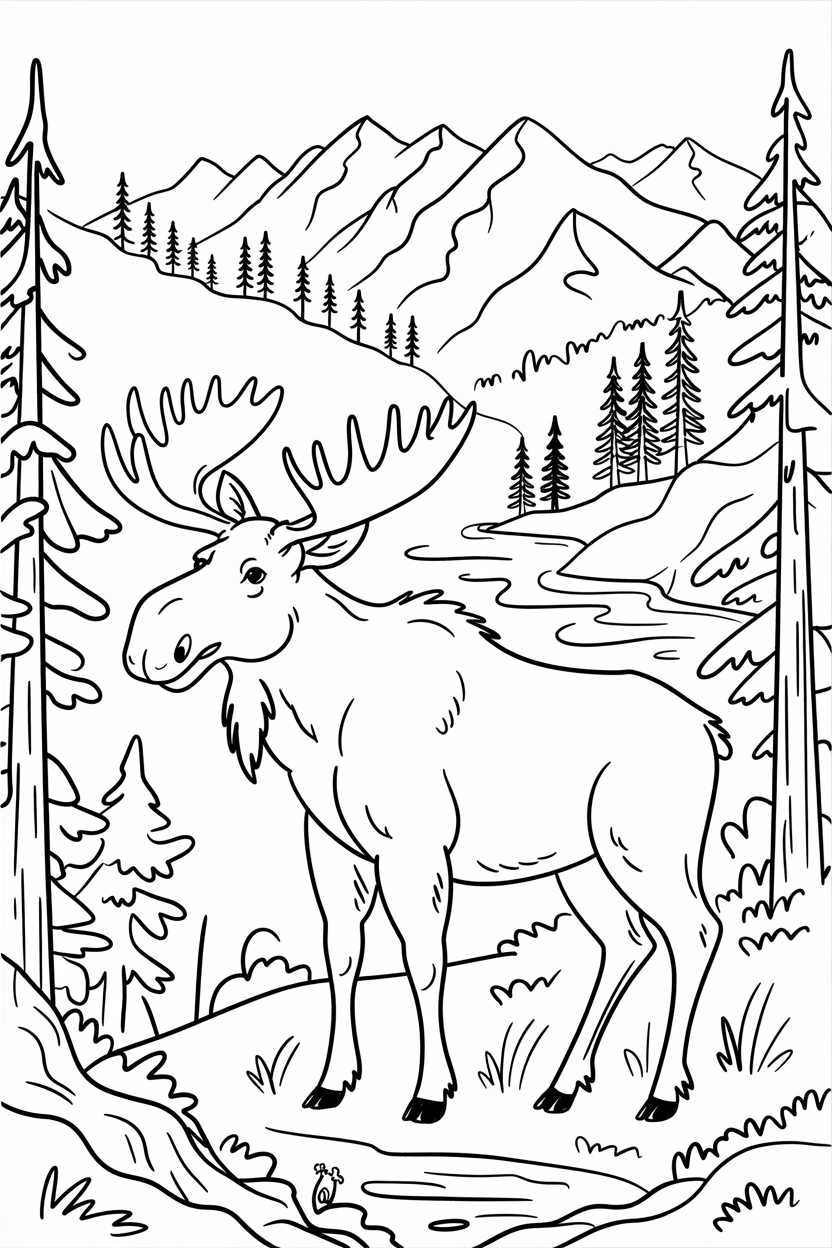
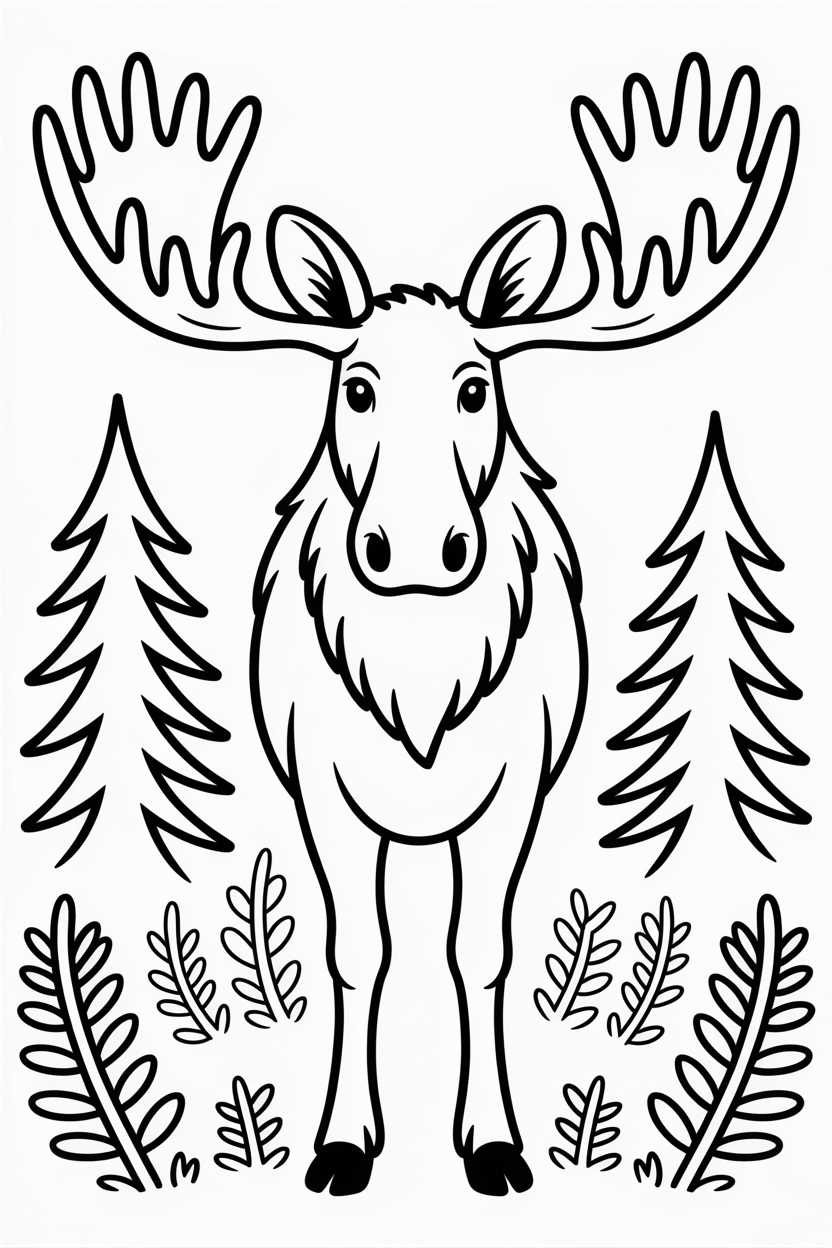
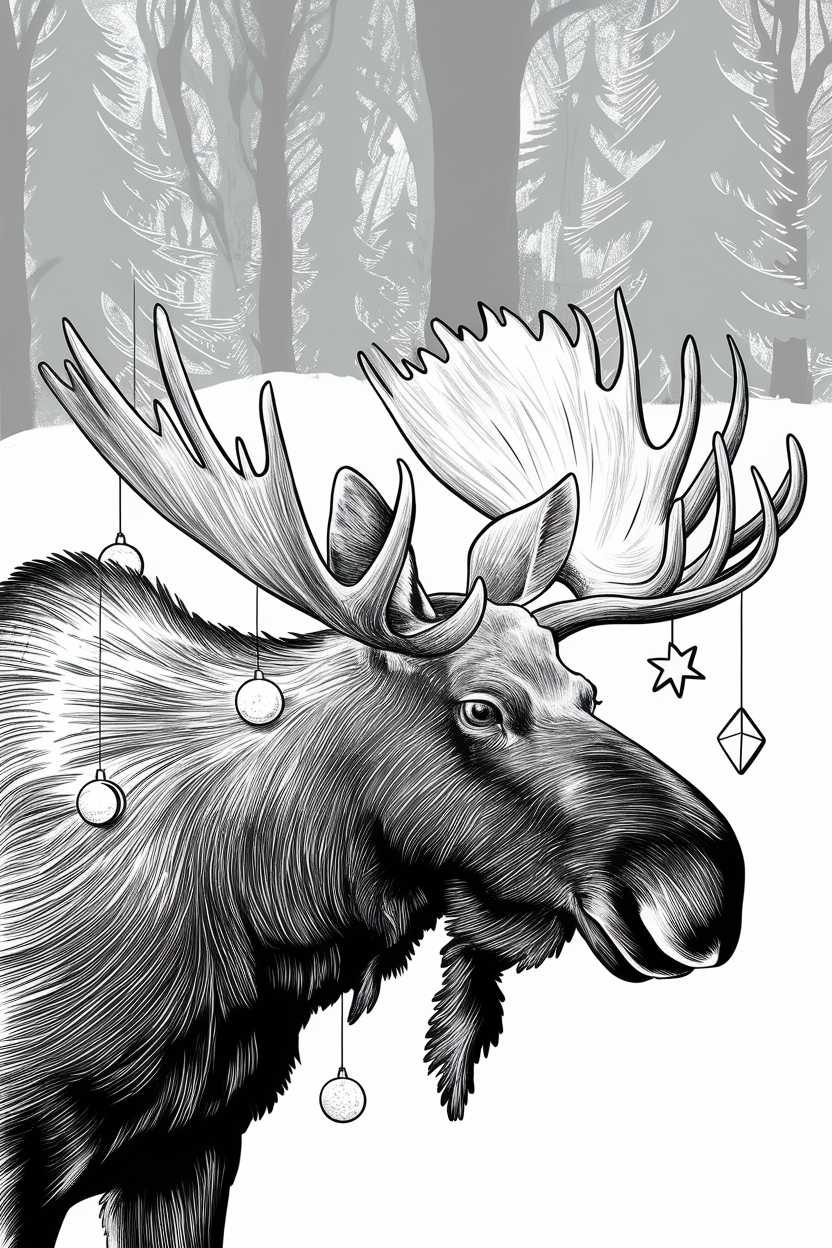
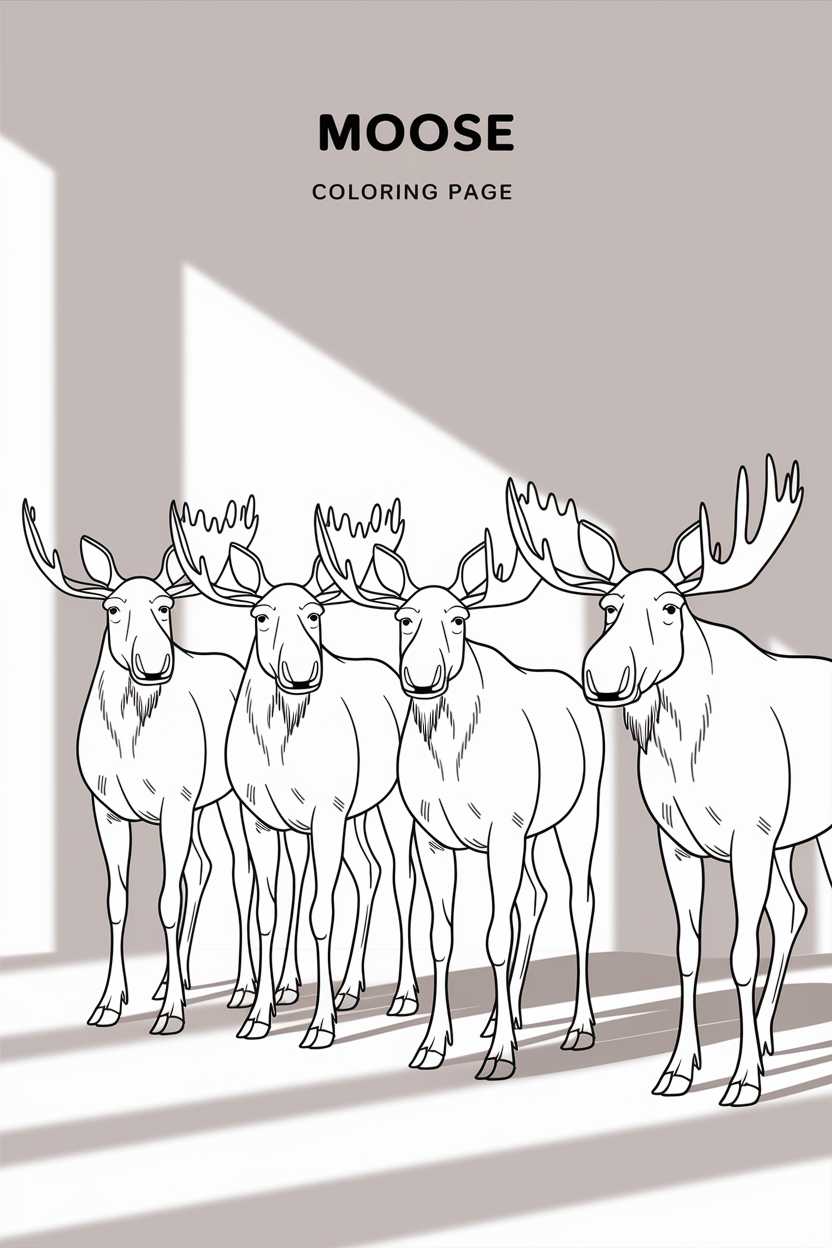
Moose coloring pages are printable or digital images designed for coloring. They typically show a moose in natural forest environments or simple outlines focused on their distinctive antlers and body shapes.
These pages help children and adults focus on details like the large antlers, long legs, and the moose’s unique features. Coloring these pages can support learning about wildlife and improve fine motor skills.
Types of Moose Coloring Sheets
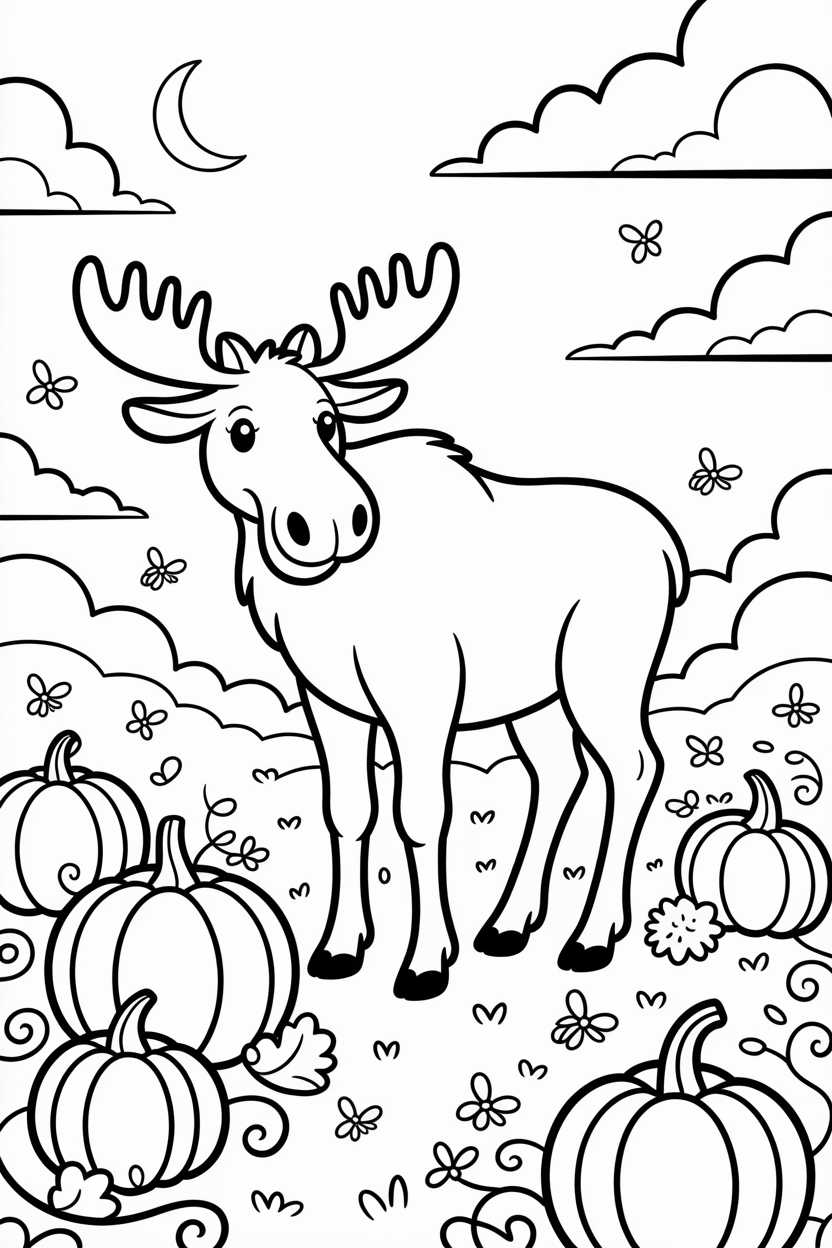
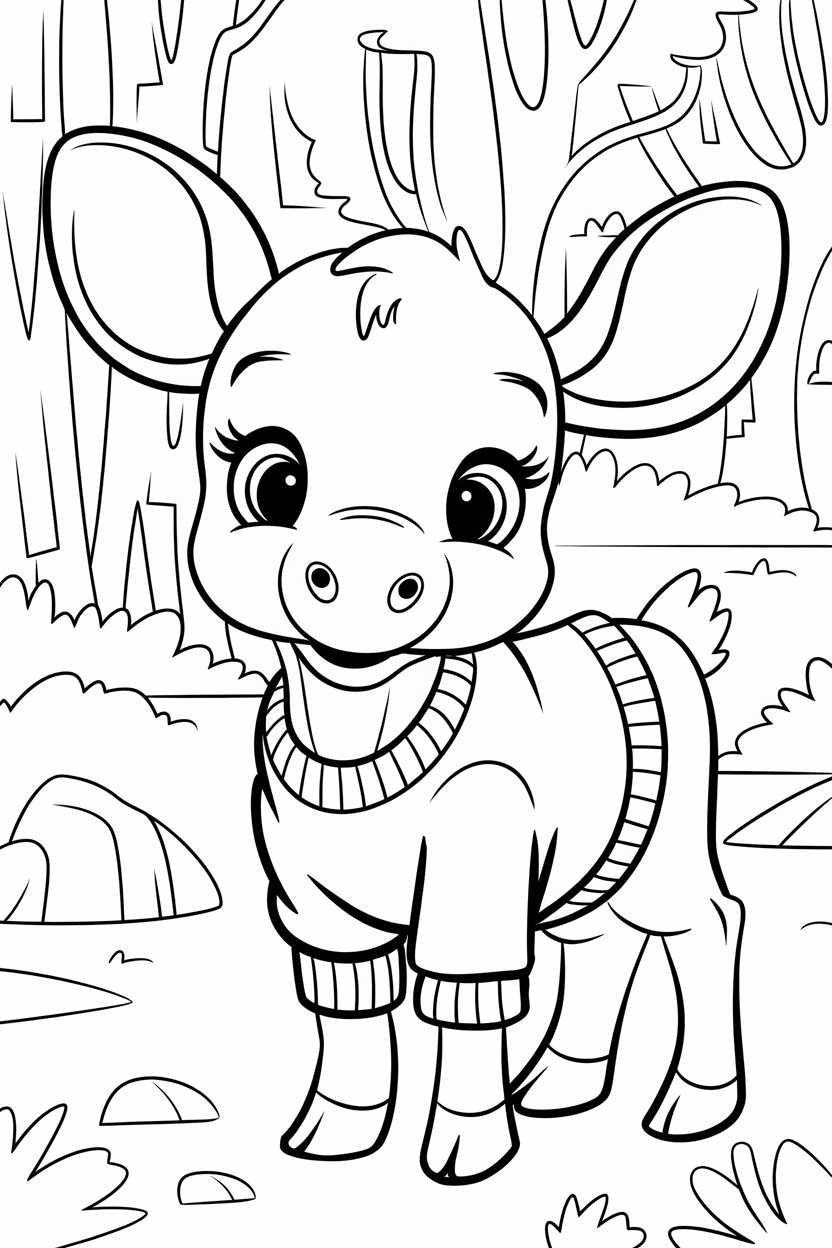
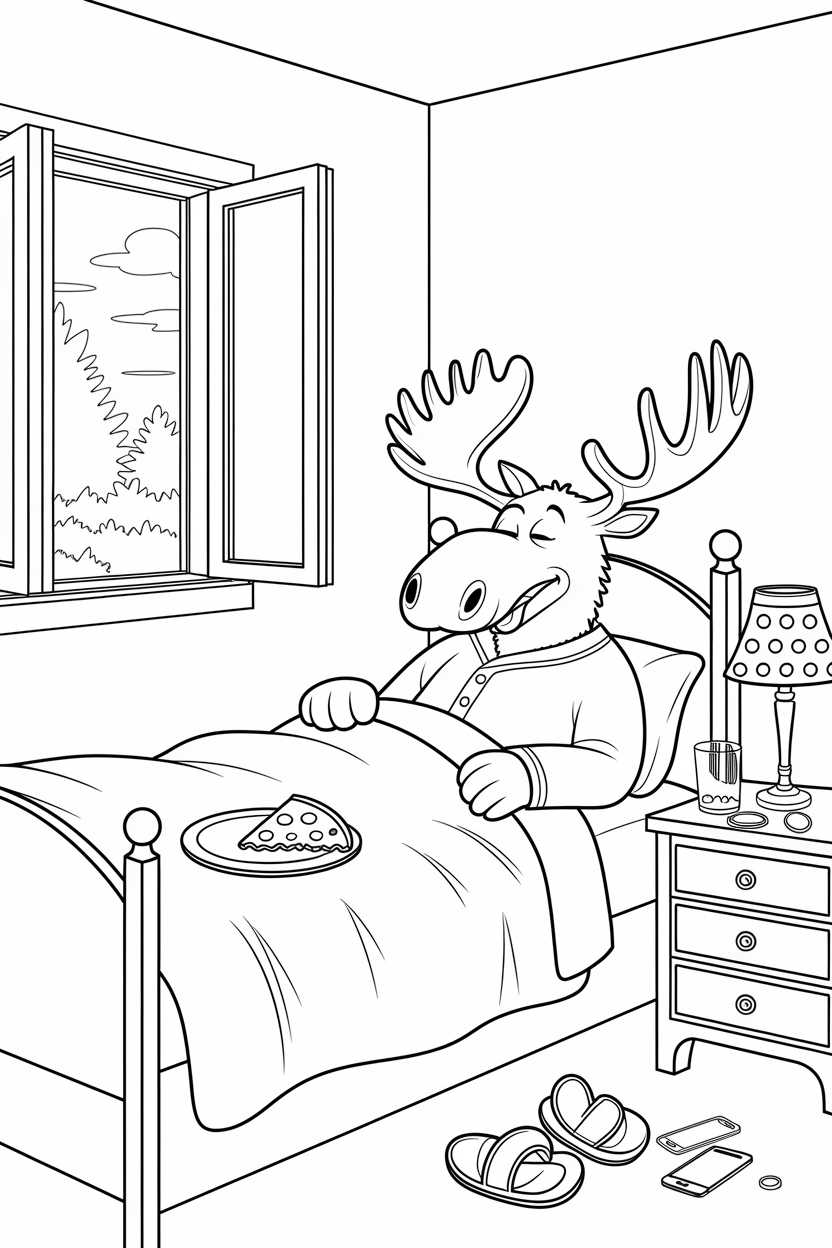
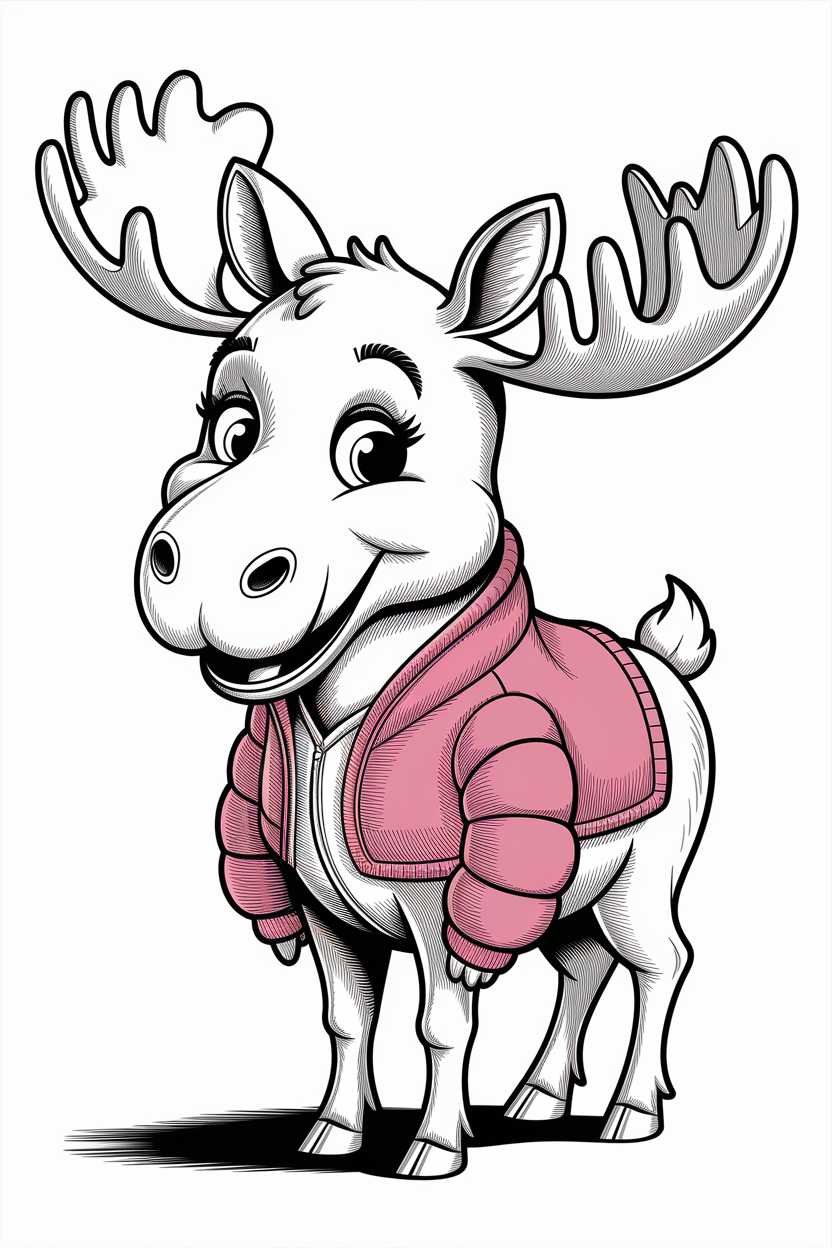
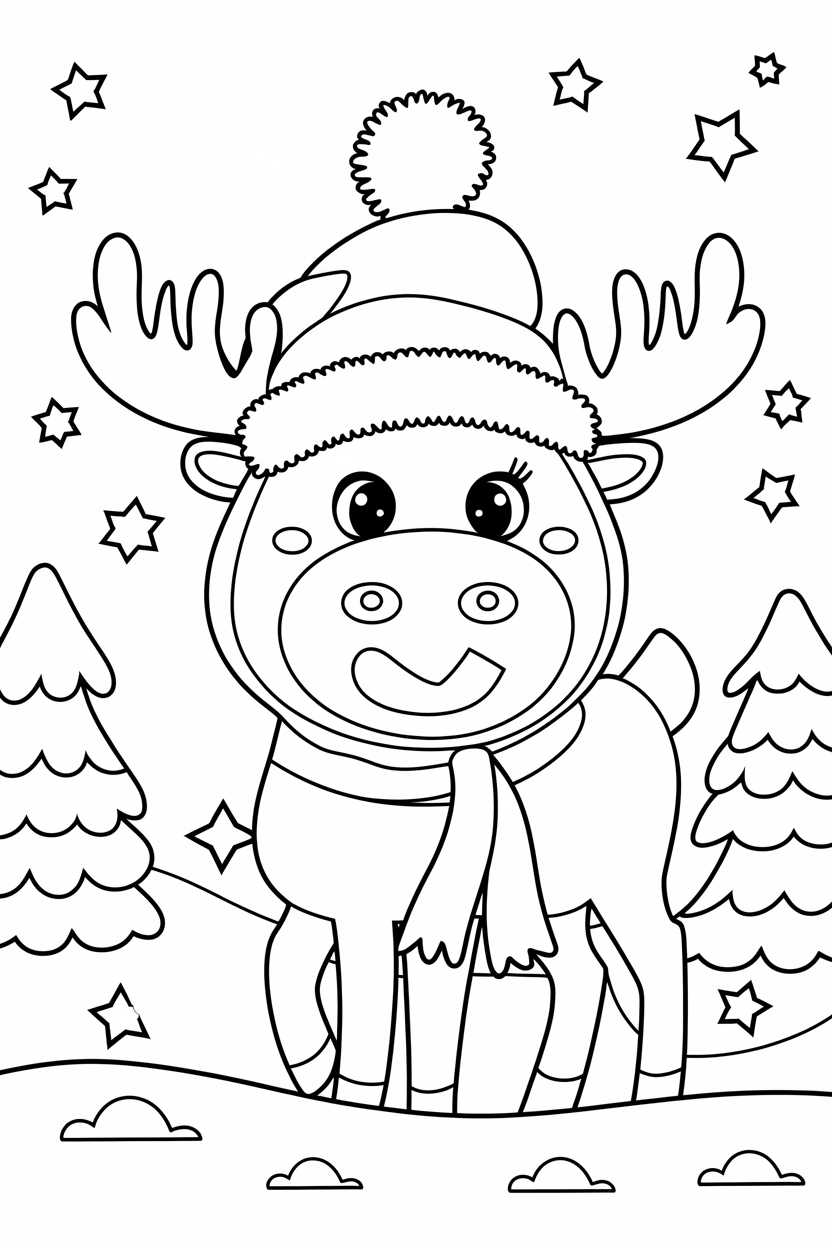
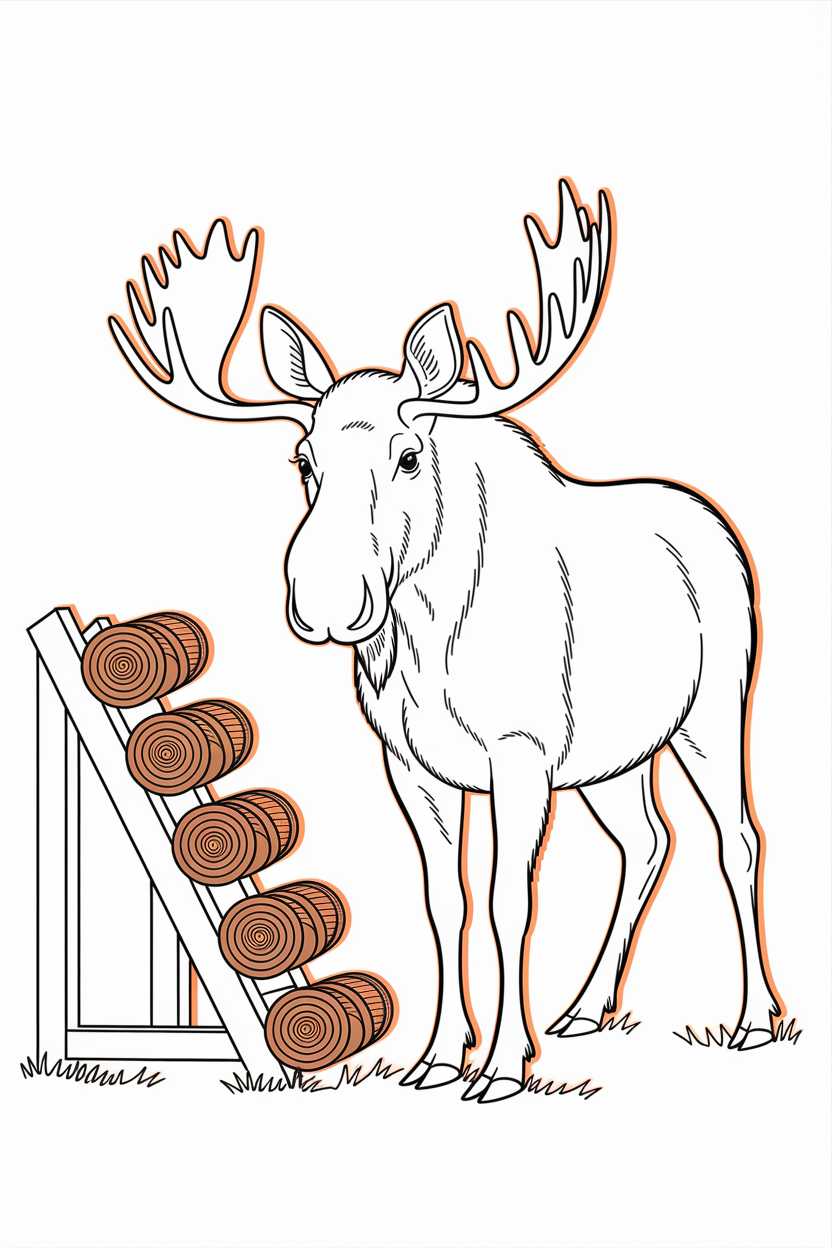
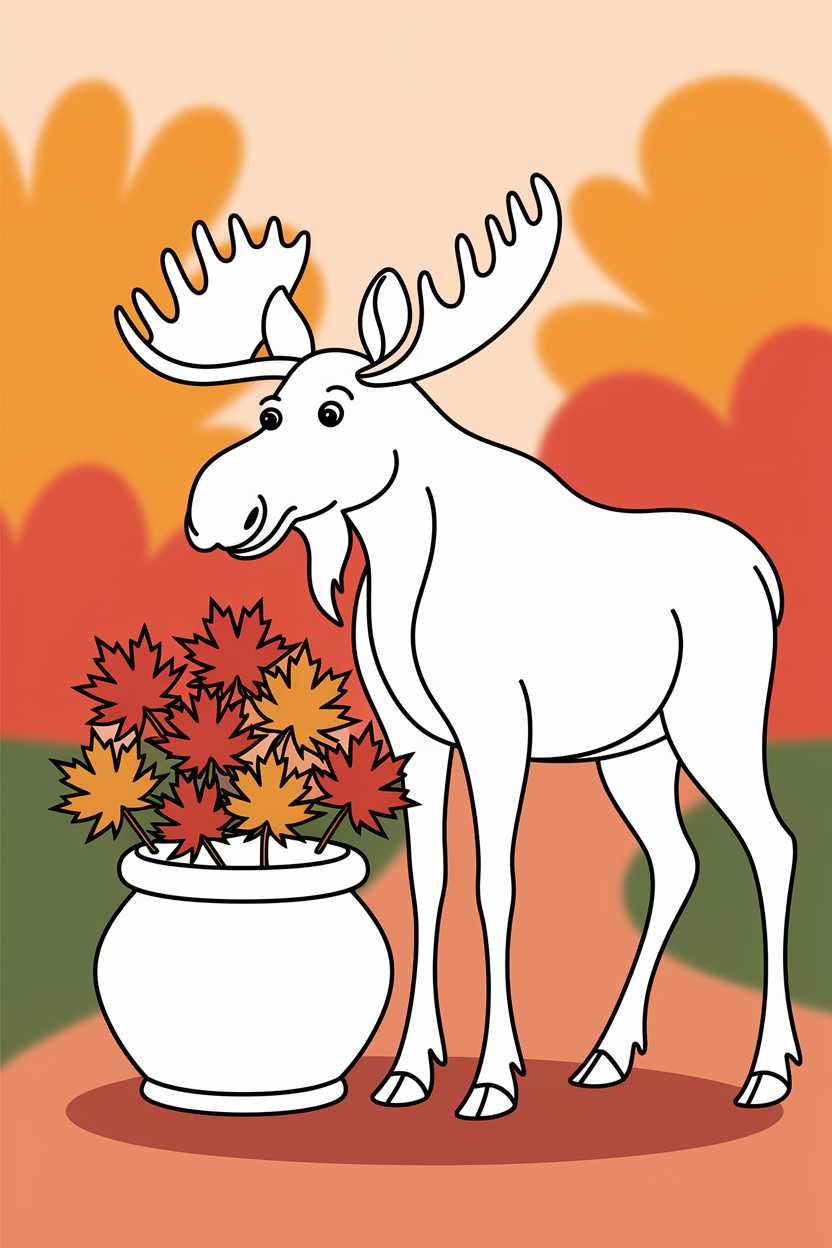
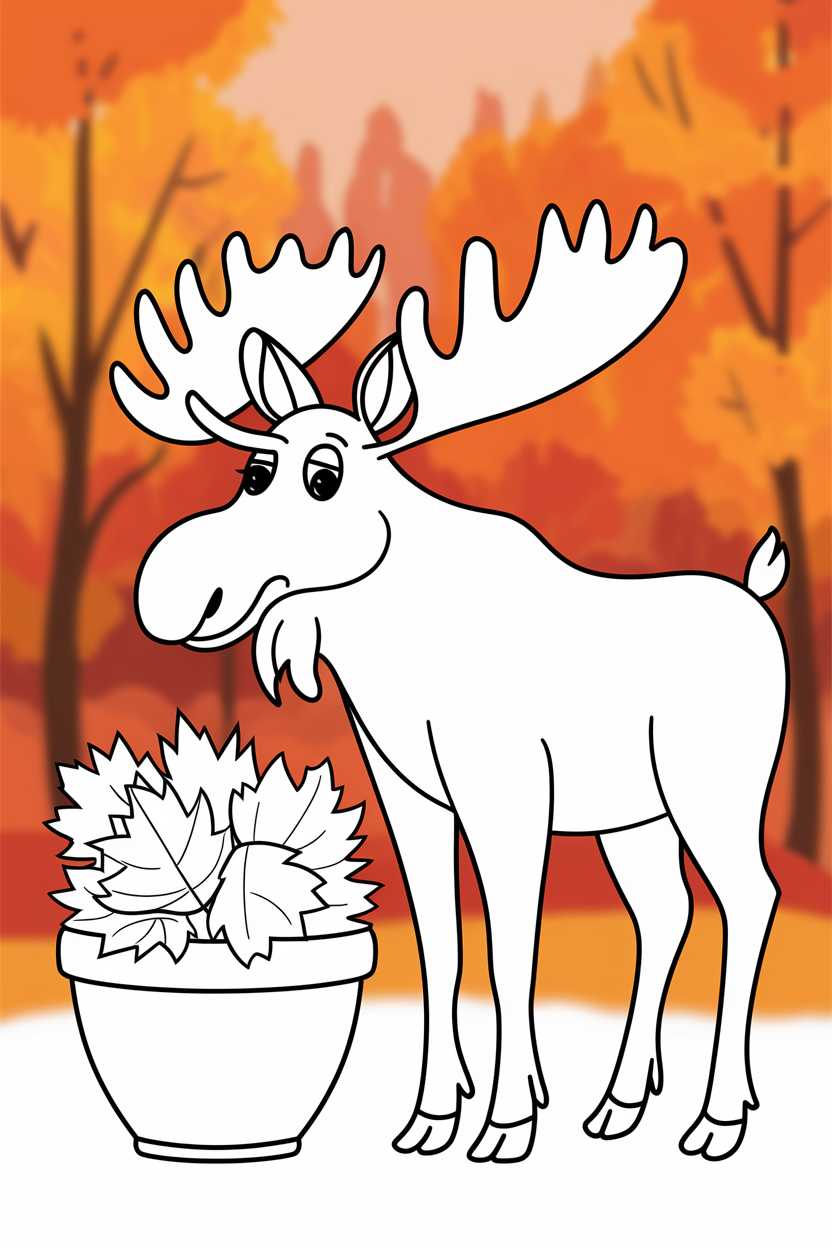
There are many types of moose coloring sheets available. Some feature realistic drawings showing a moose in natural settings, while others are more whimsical or cartoon-like with playful expressions.
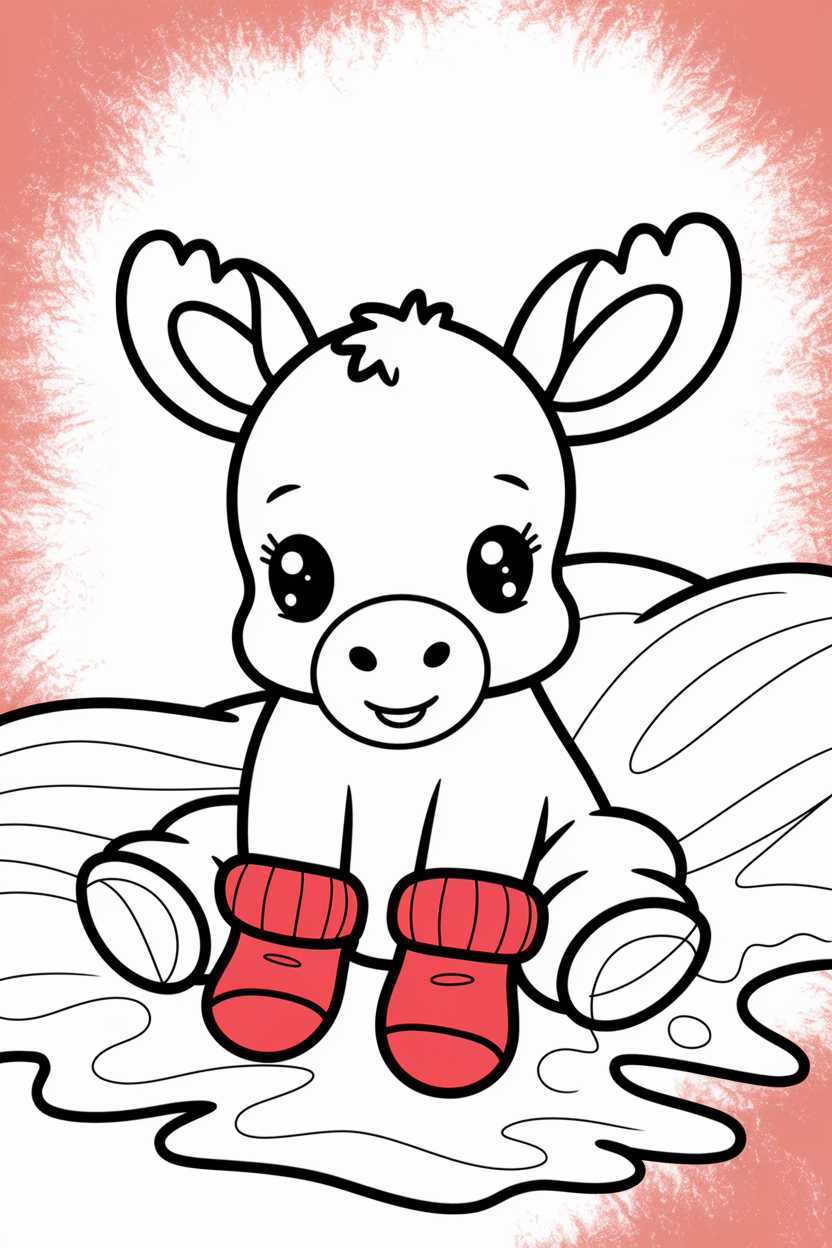
Additionally, some sheets offer varying difficulty levels, from simple outlines suitable for young children to detailed designs for older kids or adults. Some sheets also include baby moose or moose in action, such as walking or standing in the forest.
Download and Print Options
Free moose coloring pages can be easily found online in PDF, PNG, and JPG formats. Most websites allow users to download and print these sheets instantly, often without charge.
Users can print these pages at home or at school for coloring activities. Many sites offer collections of multiple pages, providing a variety of moose images. This makes it simple to plan creative sessions or thematic projects related to wildlife.
Creative Ways to Use Moose Coloring Pages
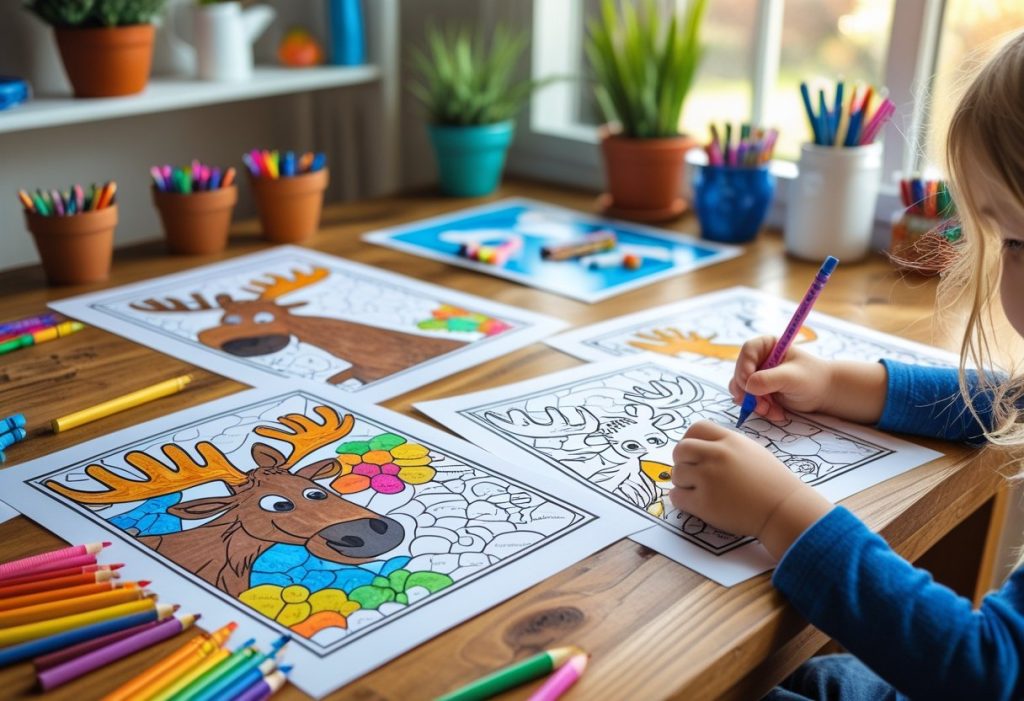
Moose coloring pages offer more than just a fun coloring activity. They can be part of creative art projects, seasonal decorations, and effective learning tools. People can adapt these coloring sheets in many practical ways to enhance both play and education.
Art and DIY Project Ideas
Moose coloring pages can be turned into unique art pieces. After coloring, sheets can be cut out and glued onto cardstock to make personalized greeting cards or bookmarks. They can also be used as covers for homemade journals or notebooks.
Another idea is to create wall art. Colored moose illustrations can be framed to decorate bedrooms or play areas. Using different coloring materials like markers, crayons, or watercolors adds texture and variety. Some also use the sheets to make collages by combining several moose images with nature-themed backgrounds.
For a fun craft, children can decorate moose pages with glitter, stickers, or textured paper. This hands-on approach sets the stage for further creativity beyond simple coloring.
Seasonal and Decorative Uses
Moose-themed coloring pages suit several holidays, especially winter and autumn. Finished colored sheets can be cut and turned into ornaments for Christmas trees. They can also be strung together into garlands for festive room decorations.
During fall, colored moose images can decorate windows or doors to bring in the outdoors feel. Layering the coloring sheets with leaves, pinecones, or twigs creates a nature-inspired display.
These coloring sheets also work well as gift tags. By cutting out a portion of the moose design and attaching it to presents, the tags add a personal and creative touch.
Classroom and Educational Projects
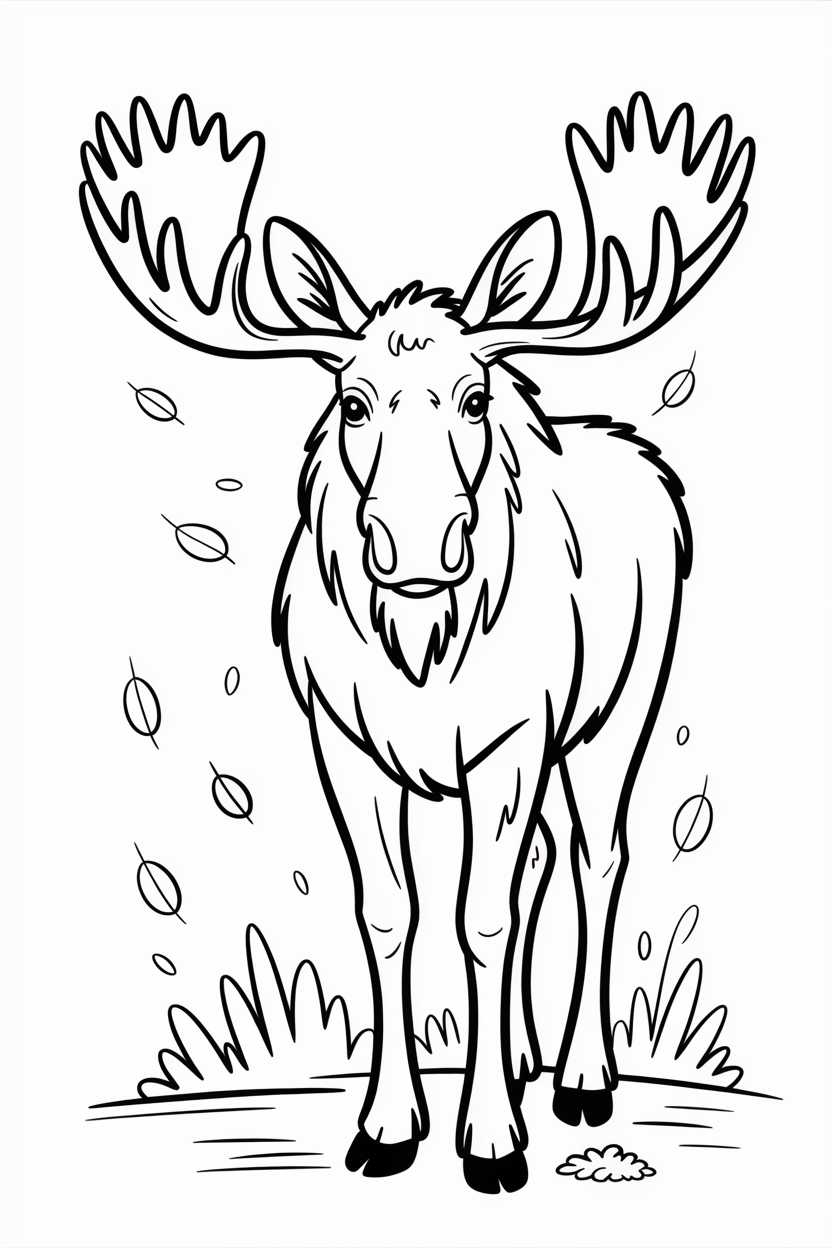
Teachers and parents use moose coloring pages to support lessons on wildlife and nature. Coloring sheets highlight moose anatomy, like their antlers and dewlap, helping children visualize features more clearly.
Educators can pair coloring with reading or storytelling about moose habitats, diets, and behaviors. After coloring, students might label parts of the moose or write short facts on the page.
Group projects include creating a moose-themed mural where each child colors a section. This encourages teamwork while reinforcing knowledge. These coloring sheets also improve fine motor skills and color recognition in younger children.
Using moose coloring pages in classrooms makes learning interactive and memorable.
Coloring Tips and Moose Inspiration
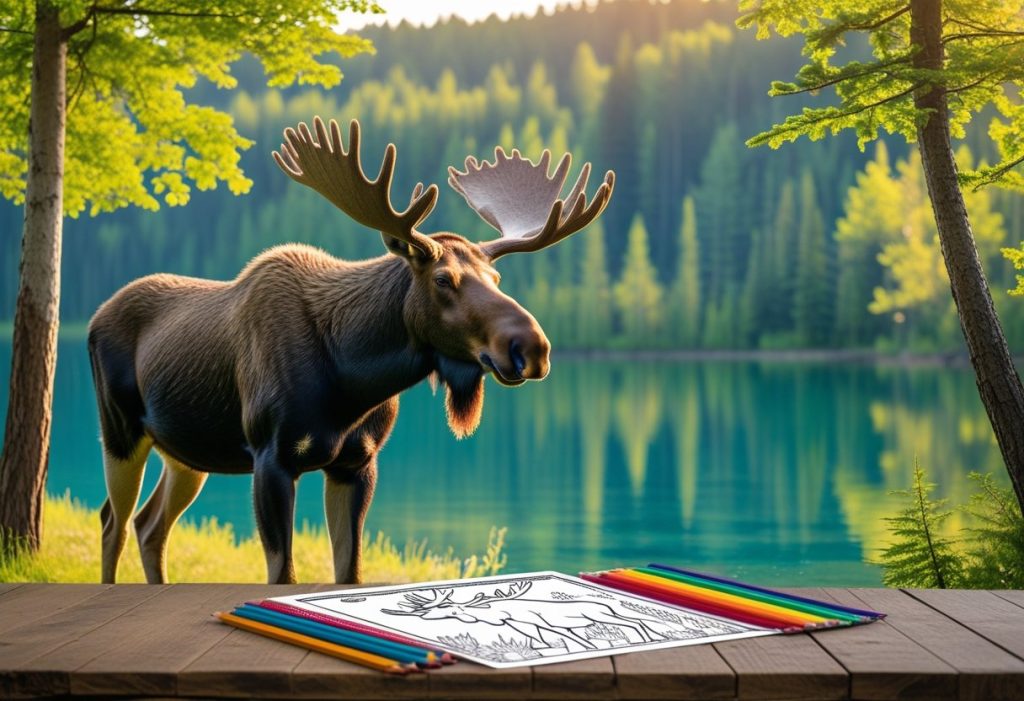
Choosing the right colors and techniques helps bring moose coloring pages to life. Paying attention to the details of the moose’s features and the background can create a more realistic or playful image. Using different approaches makes coloring both fun and educational.
Choosing Moose Colors
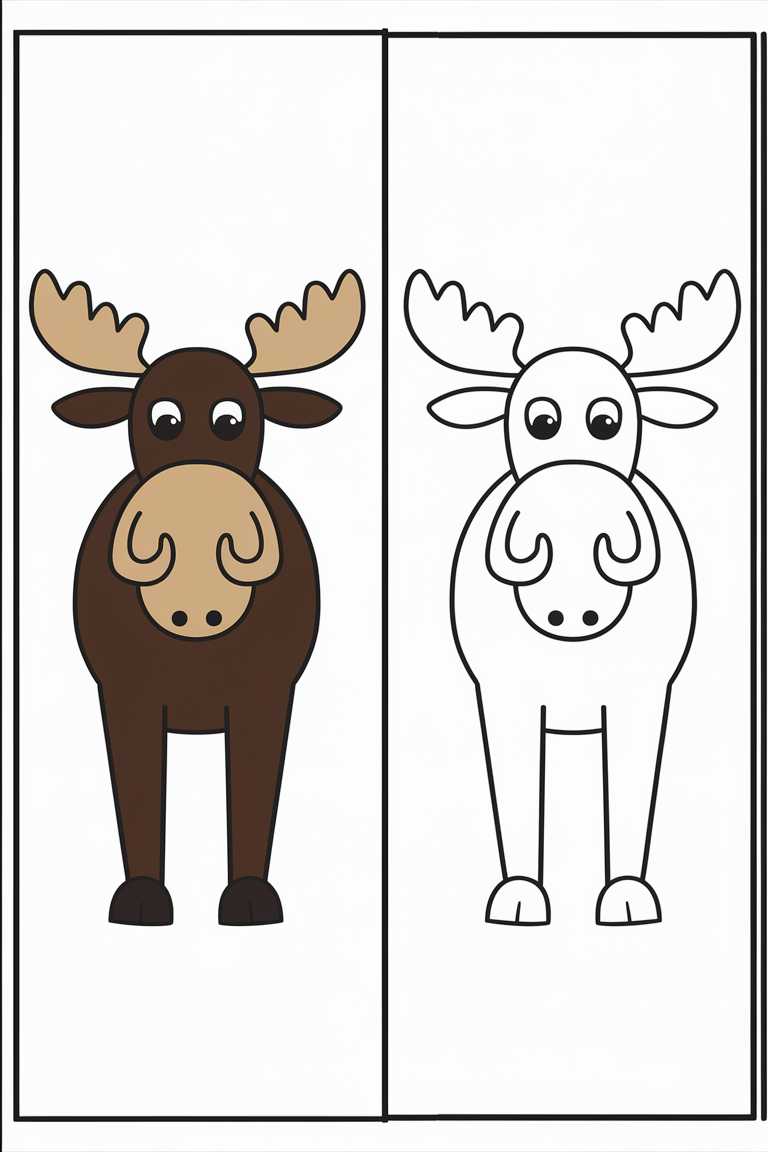
Moose colors range from deep brown to soft gray, with variations depending on age and lighting. Typically, the main body shows dark brown or almost black fur, while younger moose may have lighter shades. Using darker brown for the body and lighter browns or grays for areas like the underbelly and muzzle adds depth.
Antlers are usually a gray-brown or beige color. Avoid using bright or unrealistic colors unless aiming for a playful style. Blending several shades by layering colored pencils or gentle strokes with crayons can create a natural look.
How to Color Moose Features
Moose have distinct facial features to highlight. The long, flexible upper lip and the bell (the flap of skin under the chin) are key details to color carefully. Adding texture lines in the fur helps show muscle and direction of hair growth.
Focus on shading around the eyes and nose to make these features stand out. Darken the nose with black or very dark gray for realism. Use short, curved strokes for fur texture on legs and neck. Careful attention to antler branches, with lighter tones on top and shadow underneath, will give them dimension.
Background and Scenery Techniques
Adding a setting enhances the story behind the moose coloring page. Forests, lakes, snowy fields, or wetlands fit well with moose habitats. Use different shades of green and brown for trees and bushes. Blue or gray tones work for lakes or winter scenes.
Apply layering and blending techniques to suggest trees’ leaves or water reflections. For snow, leave some white spaces and add light blue shadows. Simple backgrounds can use smooth coloring to keep the focus on the moose, while detailed settings invite more creativity.
Ideas for Realistic and Cartoon Moose
Realistic coloring uses natural colors, shading, and texture to create lifelike images. Stick to earth tones and subtle details for the fur and antlers. Adding shadows beneath the moose and soft edges for fur increases realism.
For cartoon-style moose, brighter or exaggerated colors can make the picture fun and eye-catching. Use bold outlines and simple shading. Play with expressions like smiling or winking to give personality. Backgrounds can include campsites or imaginative forests with colorful trees to match the playful mood.
Fun Facts About Moose for Coloring Enthusiasts
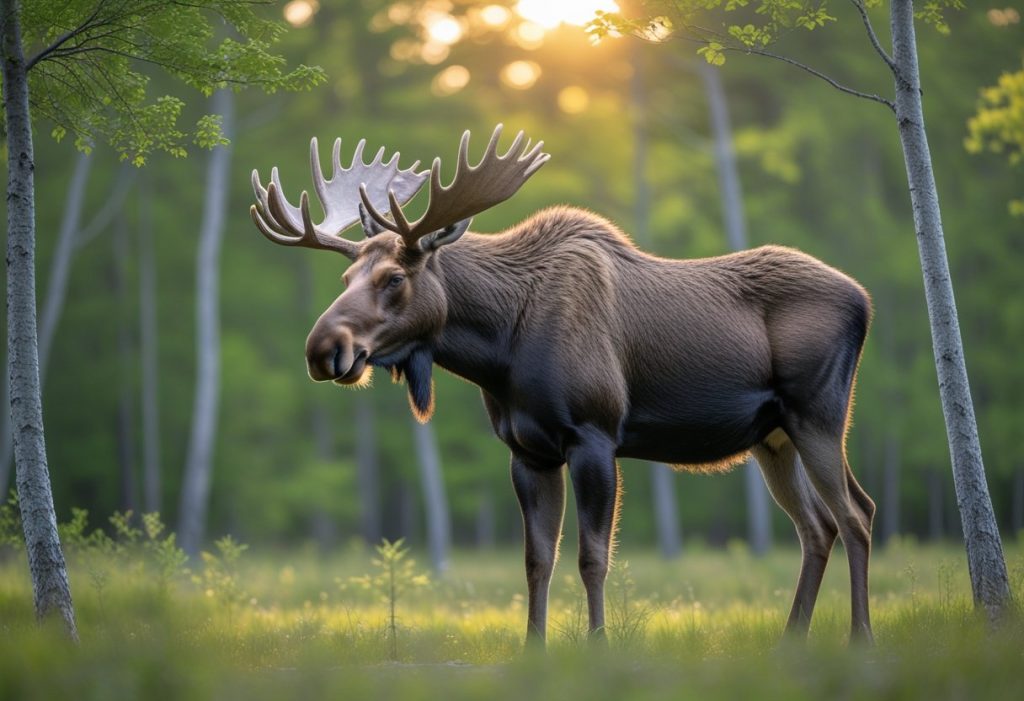
Moose live in cold forests and wetlands where they find food and water. Their behavior includes swimming and moving quietly through snow. Their body features, like large antlers and a flexible nose, make them unique animals to study and color.
Moose Habitats and Behavior
Moose mostly live in boreal forests across places like Canada, Alaska, and Scandinavia. They prefer areas with lakes, marshes, and dense trees. These spots give them food like leaves and underwater plants.
Moose are strong swimmers. They can swim up to 6 miles per hour and dive underwater for up to 30 seconds to eat plants. During winter, moose move silently through snow using their wide hooves to avoid predators.
They are mostly active at dawn and dusk. Moose are shy and usually avoid people by hiding in thick forest areas. These behaviors make their coloring pages interesting as they often show moose in natural, calm settings.
Moose in Nature and Wildlife
Moose are the largest animals in the deer family. Adult moose can stand over 6 feet tall and weigh more than 1,500 pounds. Despite their size, they feed peacefully on leaves, twigs, and aquatic plants.
Calves grow quickly, gaining over one pound daily in the first months. Moose live about 15 to 25 years in safe environments like wildlife parks. In the wild, their life can be shorter due to weather and predators.
Moose play an important role in northern ecosystems. They help shape the forests by feeding on young trees and plants. Many parks and wildlife areas use moose coloring pages to teach kids about animals and habitats.
Unique Moose Features
Moose have broad, flat antlers that can weigh up to 40 pounds. Males grow new antlers each year. These antlers are used to attract mates and fight other males during the breeding season.
Their noses are flexible and long, which helps them grab leaves and plants. Moose have a flap of skin under their throat called a bell, which is easy to see in many coloring page designs.
The legs of a moose are long and strong to help them move through snow and water. Their wide hooves act like snowshoes, preventing them from sinking in mud or snow. These features make moose coloring pages good tools for learning about animal adaptations.
Frequently Asked Questions
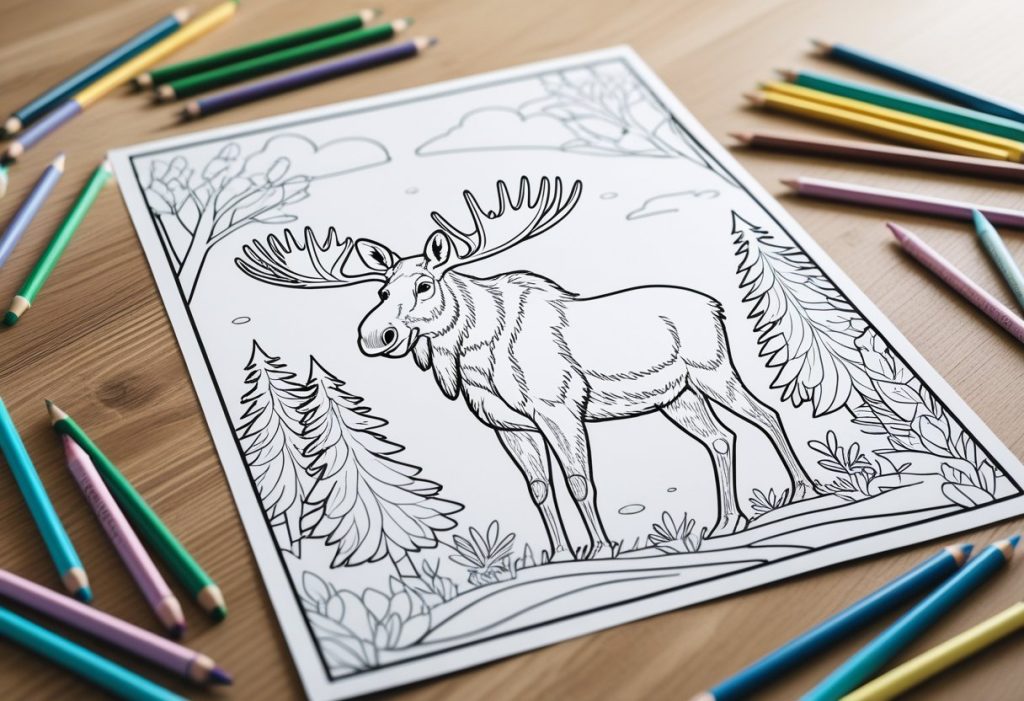
Moose coloring pages vary in detail and style to fit different skill levels and preferences. Many sites offer printable pages with simple or intricate designs, including options that focus on moose heads or whole animals. Children and adults both can find suitable sheets to enjoy.
What are the best resources for free moose coloring pages suitable for adults?
Websites with large collections often feature detailed moose images for adults. Some provide pages optimized for high-quality printing, allowing for complex shading and realistic coloring. Users can find PDFs designed for US Letter or A4 paper sizes.
Where can I find a realistic moose coloring page for more advanced artists?
Realistic moose coloring pages are available on specialty animal and nature art sites. These pages show accurate body shapes, large antlers, and natural poses. Many include fine details that challenge advanced artists to practice shading and texture.
How can I access easy moose coloring pages for beginners?
Simple moose outlines made for beginners are widely available from kids’ activity sites. These pages usually feature basic shapes and minimal detail, making coloring faster and less complicated. They are good for young children or those new to coloring.
Are there any printable coloring pages featuring moose heads specifically?
Yes, many printable collections include moose heads focused on the antlers and facial features. These pages highlight the moose’s unique appearance and allow colorists to concentrate on specific parts rather than the whole animal.
Can you recommend some moose coloring pages that are appealing to children?
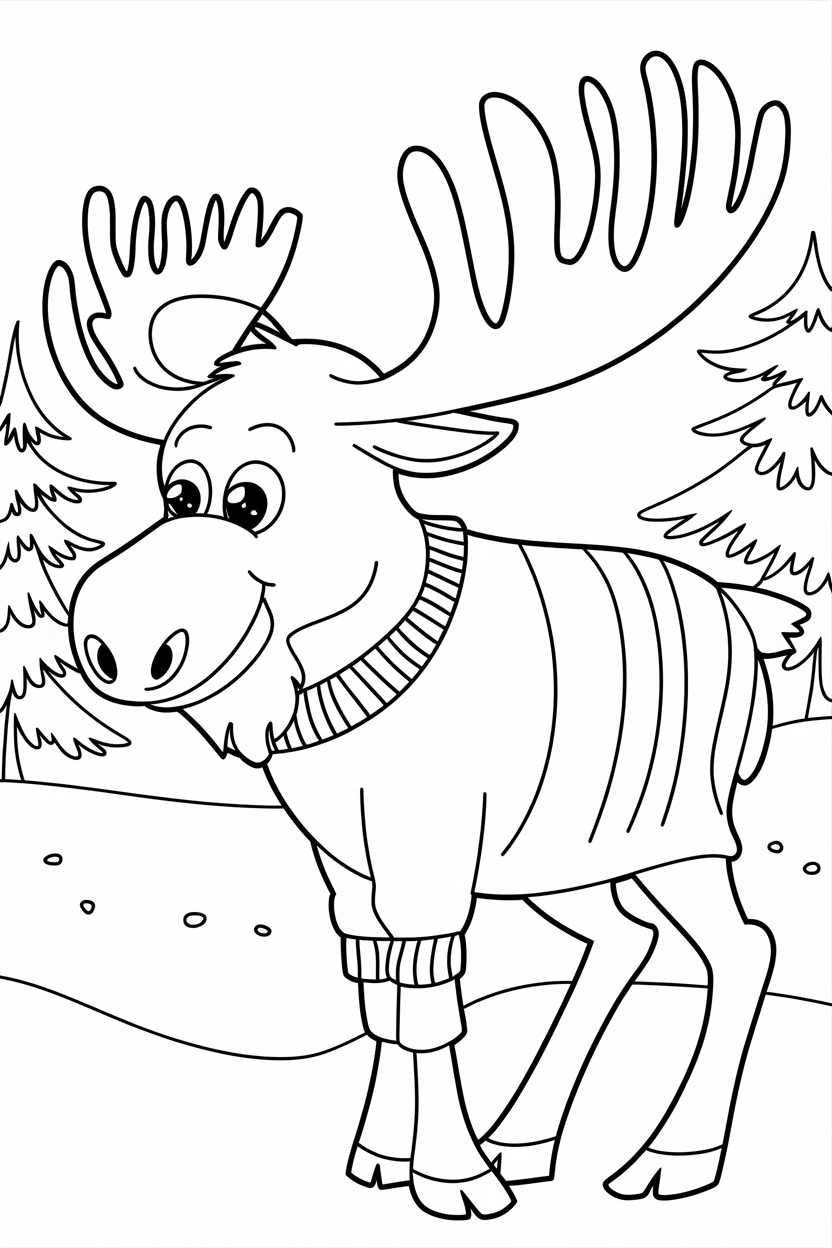
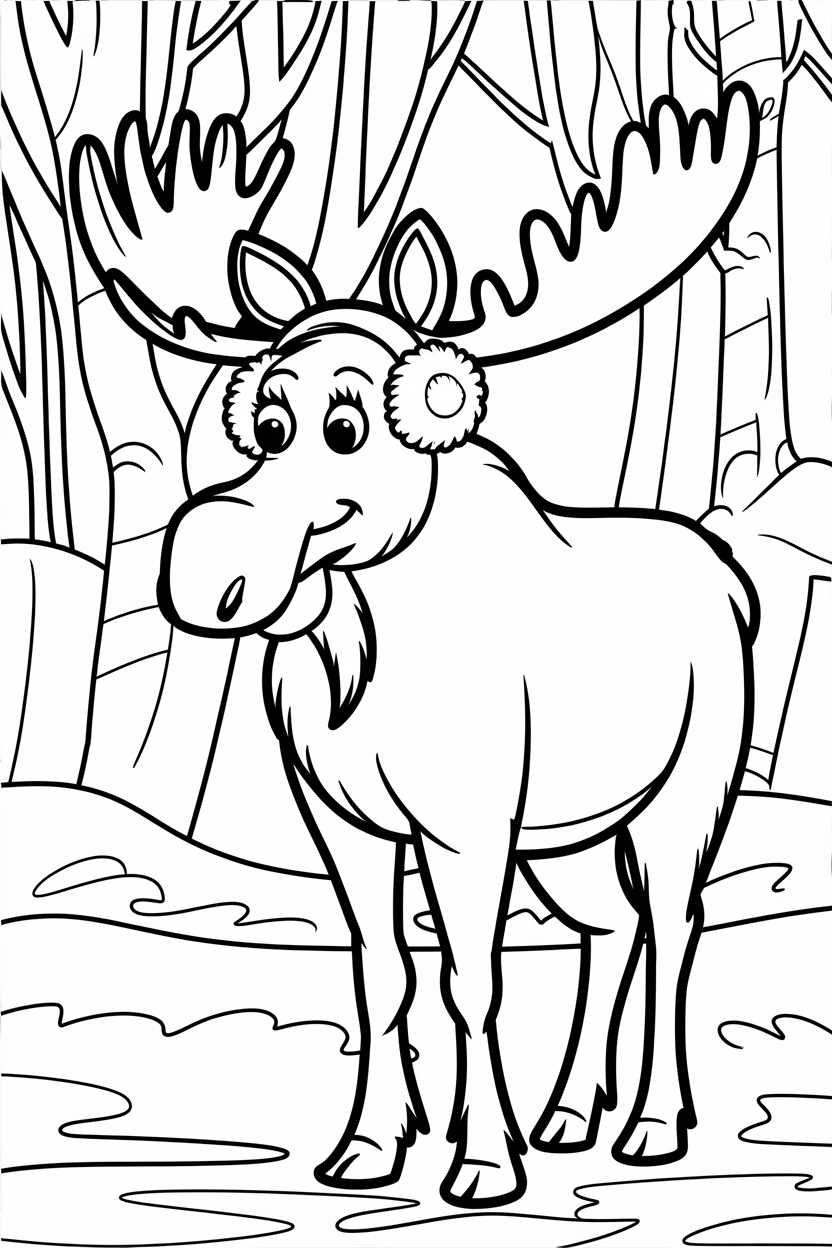
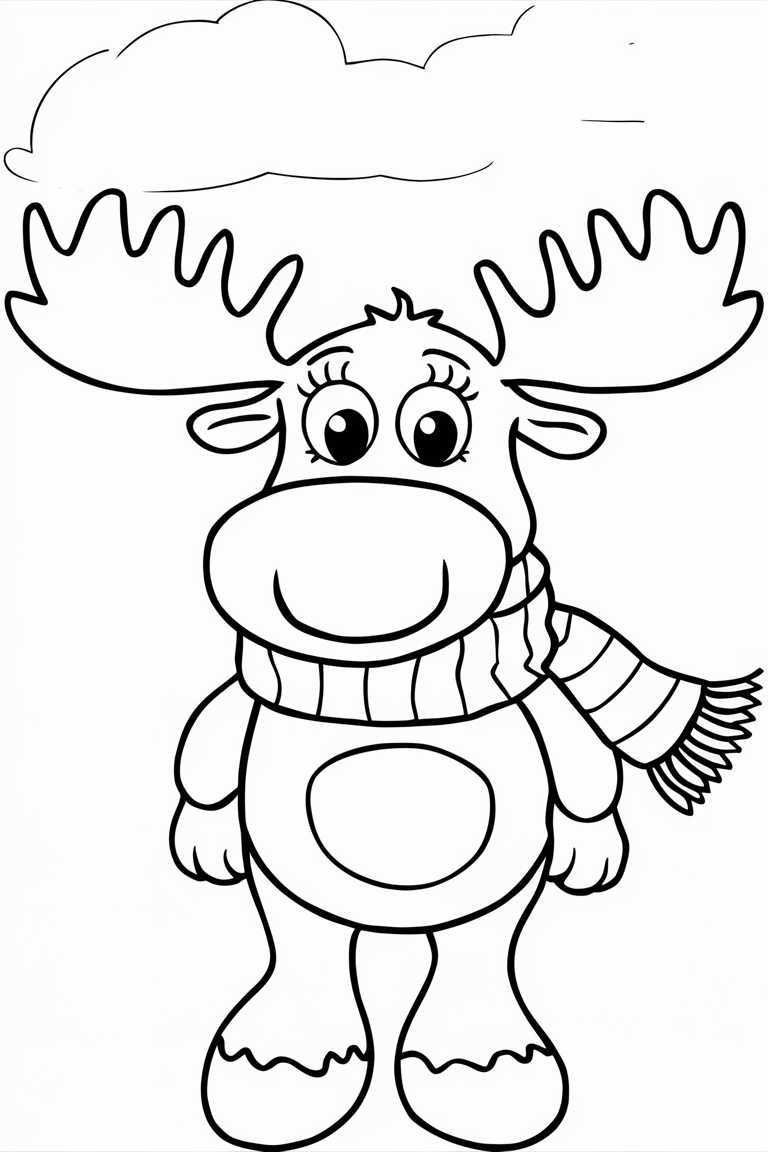
Pages with playful, cartoon-style moose are popular for kids. These illustrations often show smiling moose or baby moose in fun forest settings. Bright, simple designs encourage creativity and keep children engaged.
What’s the difference between moose and elk coloring pages in terms of design?
Moose coloring pages typically emphasize large, broad antlers and a bulky body shape. Elk pages tend to show slimmer animals with more branching, pointed antlers. Design differences might also include habitat details, making each species distinct in the artwork.
Photo Gallery
Final Thoughts
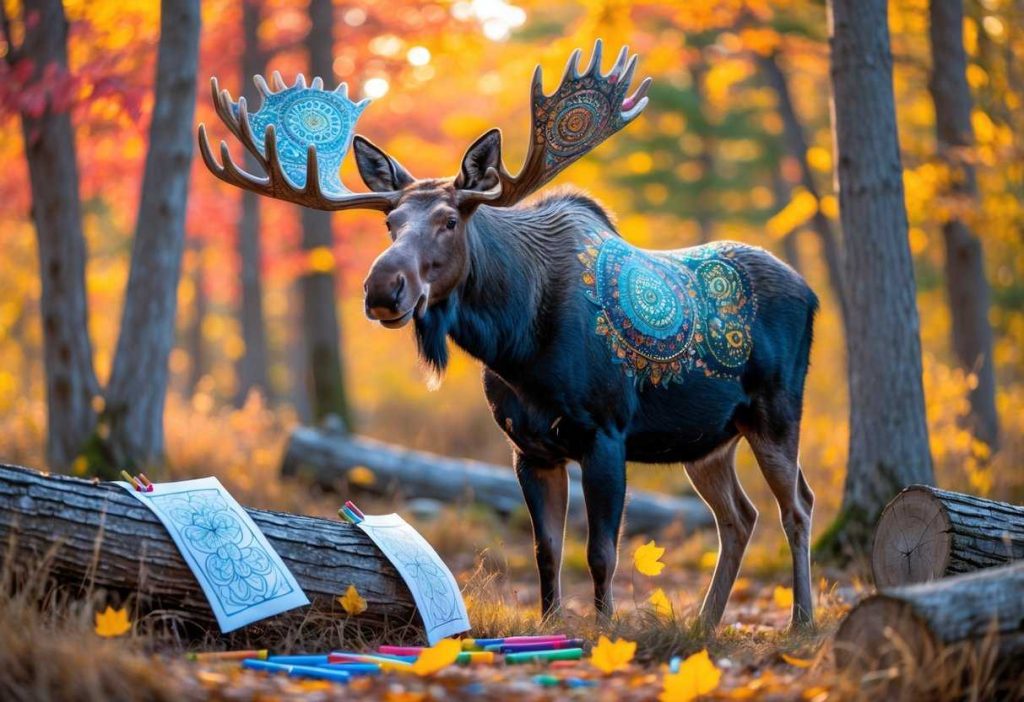
Moose coloring pages are more than just a relaxing pastime—they’re a gateway to creativity, learning, and a deeper appreciation for wildlife. Whether you’re a parent searching for an engaging activity for your kids, a teacher planning a nature-themed lesson, or simply someone who loves to color, these pages offer something for everyone.
From realistic renderings to playful cartoon versions, moose coloring pages combine art with education in the most enjoyable way. They spark curiosity, enhance fine motor skills, and provide a soothing escape into the wild world of these majestic forest giants.
So grab your favorite coloring tools, pick a moose page that speaks to you, and let your creativity run wild. With just a few strokes of color, you’ll not only bring these beautiful animals to life—but also create something truly memorable.